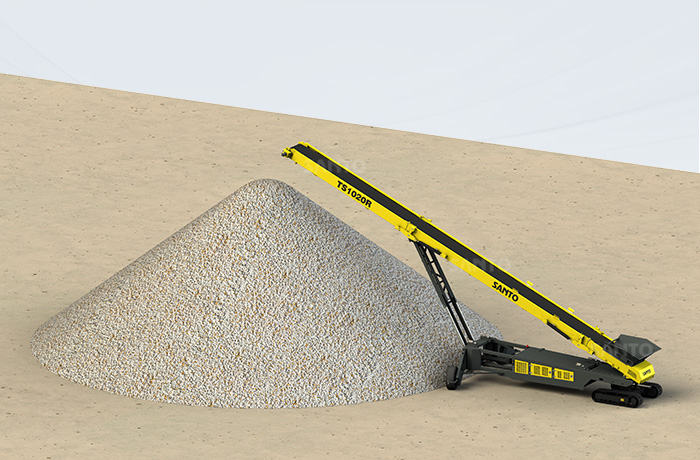
Stockpiling Solutions
SANTO stockpiling solutions use tracked radial stackers, radial telescopic stockpilers and…
Learn more
Twenty-plus materials, seven solution types. Pick your material for handling properties and recommended machines, or choose a solution type to see complete equipment line-ups.
Material behaviour decides the machine. Bulk density sets the load on the belt, moisture and clay content decide whether a chute will block, abrasiveness decides liner life, and the angle of repose decides how much you can actually store in a given footprint. The pages below give you those numbers for each material and the SANTO equipment we configure for it.
Beyond individual materials, most sites are solving one of seven recurring problems: building stockpiles, loading ships or barges, unloading trucks, moving material inside a plant, loading or unloading rail wagons, transferring between conveyors, or setting up a temporary operation. Each solution page describes the recommended equipment line-up and the layout logic behind it.
SANTO stockpiling solutions use tracked radial stackers, radial telescopic stockpilers and…
Learn more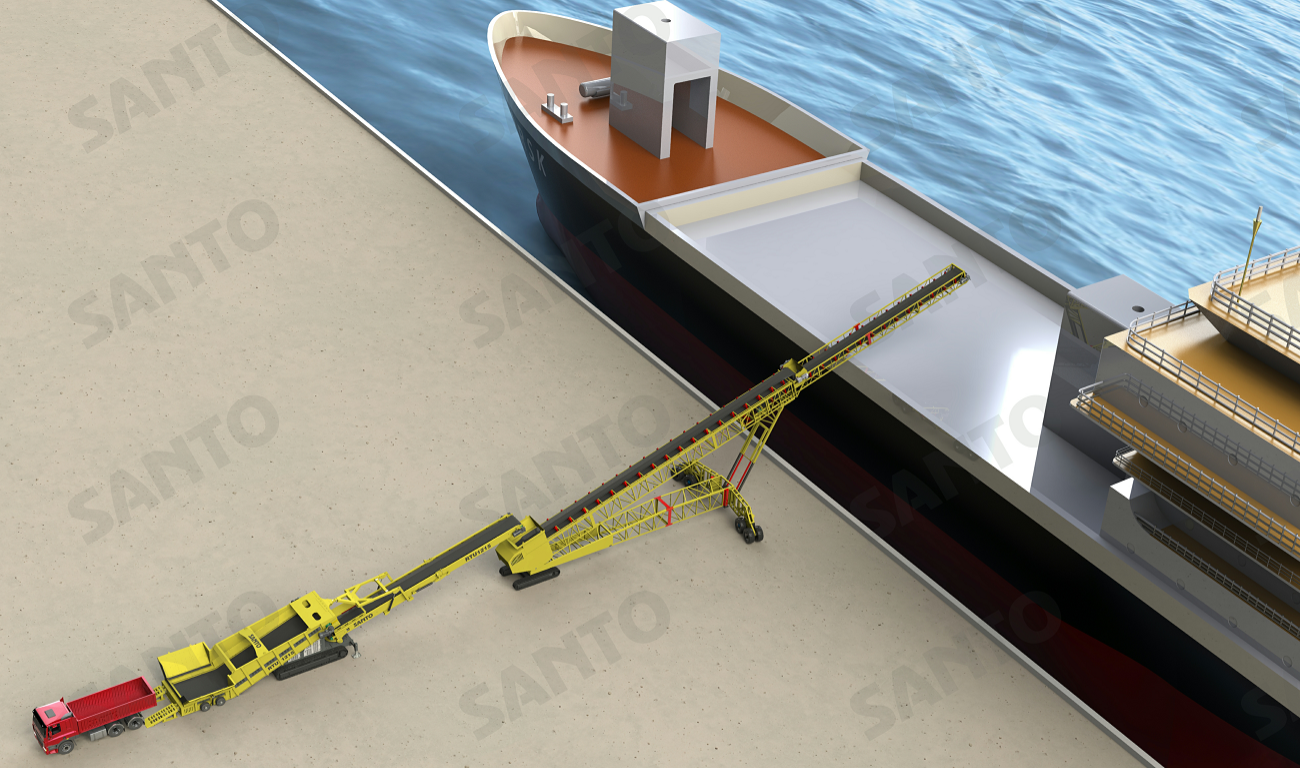
SANTO ship loading solutions use mobile and crawler ship loaders plus radial telescopic…
Learn more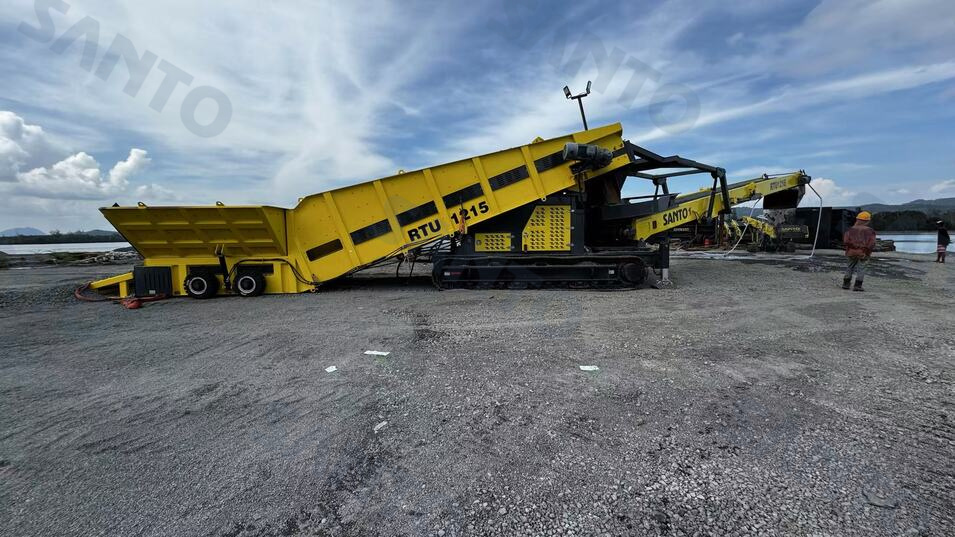
SANTO truck unloading solutions use mobile and radial truck unloaders plus low feeder stackers to…
Learn more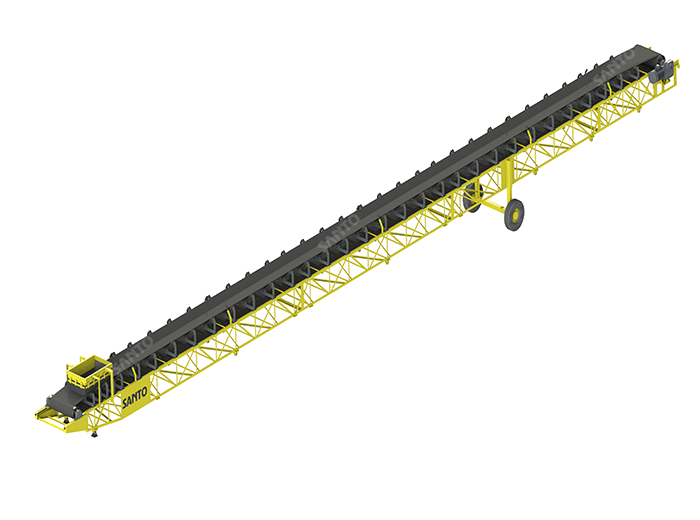
SANTO in-plant conveying links crushers, screens and stockpiles with wheeled mobile conveyors and…
Learn more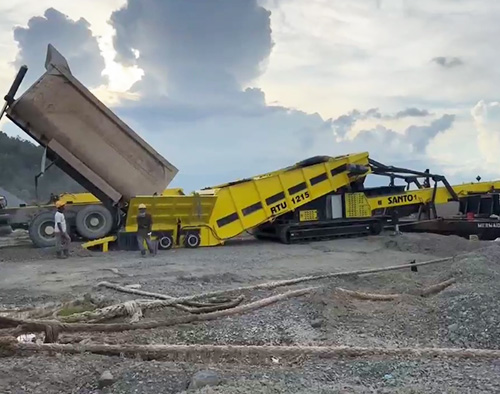
SANTO train loading solutions use tracked radial stackers, feeder track stackers and telescopic…
Learn more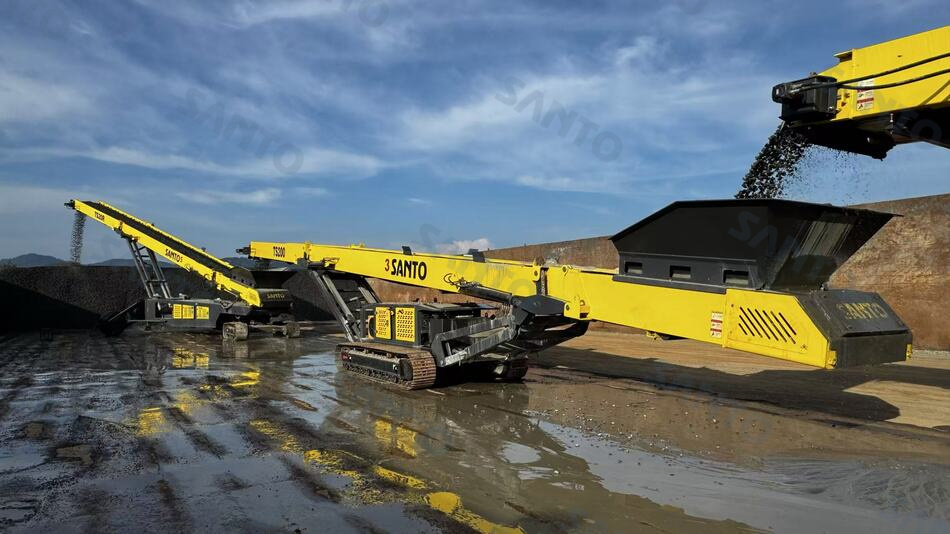
SANTO material transfer solutions link trucks, stockpiles and process with wheeled mobile…
Learn more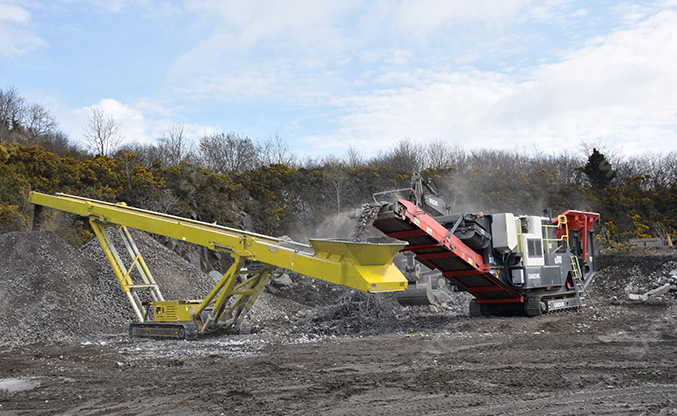
SANTO remote and temporary site solutions use tracked and radial stackers and truck unloaders for…
Learn more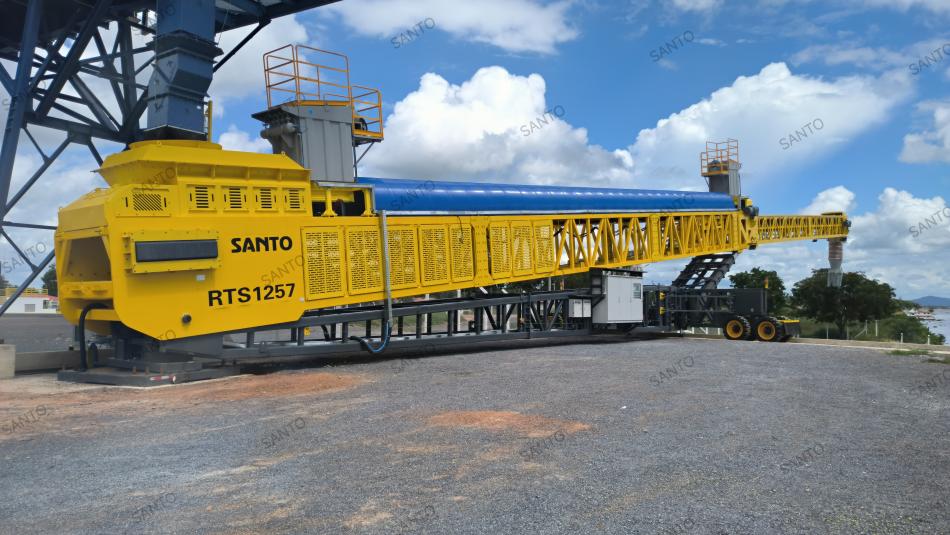
Aggregate is granular construction material — crushed stone, gravel and sand — ranging from 0–40…
Learn more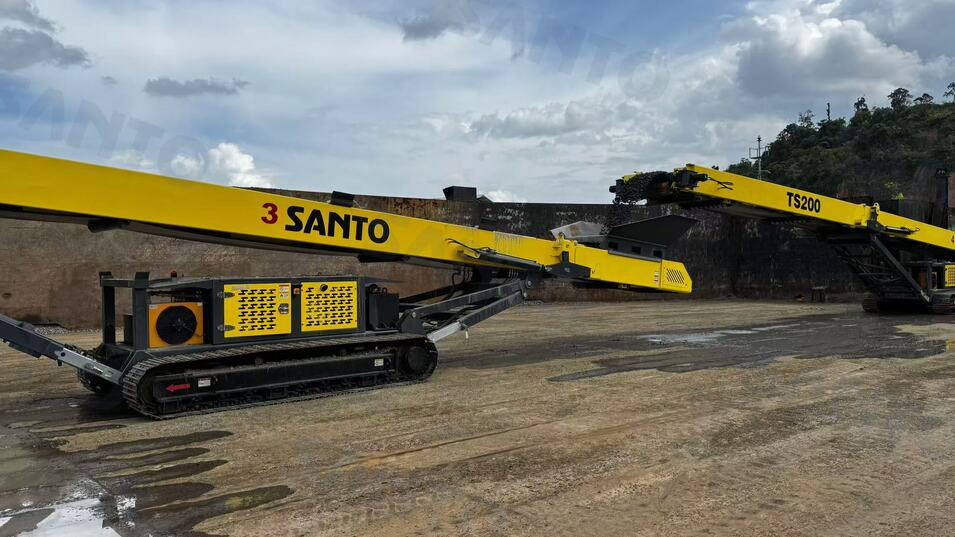
Coal is a dense, friable carbonaceous solid with bulk density around 0.8–1.0 t/m³ and strong dust…
Learn more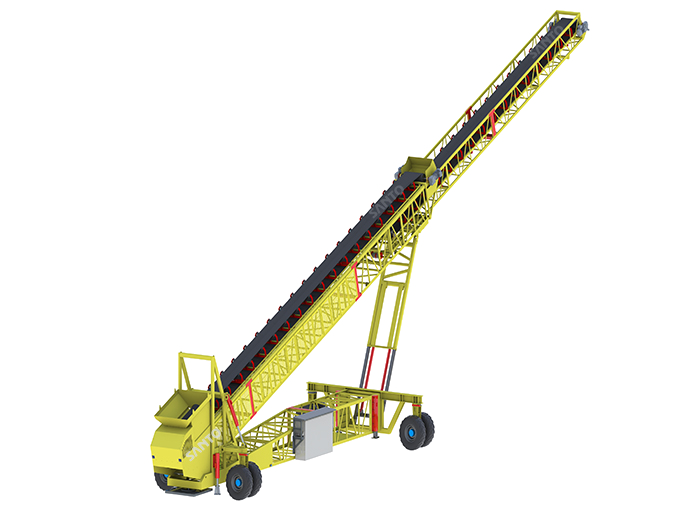
Compost is a moist, biologically active organic matrix with bulk density near 0.4–0.7 t/m³ and…
Learn moreAsphalt is a hot (150–180 °C), cohesive bituminous mix, while RAP is crushed, recycled pavement.…
Learn more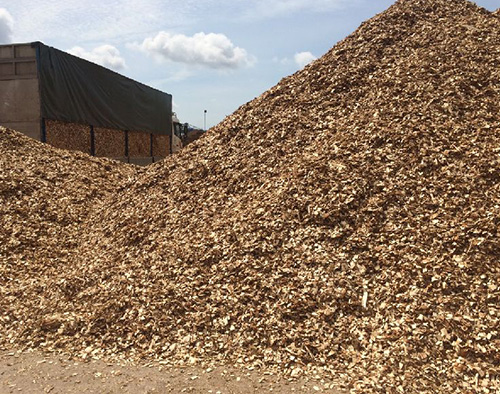
Biomass covers light, bulky organics — wood chips, pellets, straw — with bulk density 0.2–0.6 t/m³…
Learn more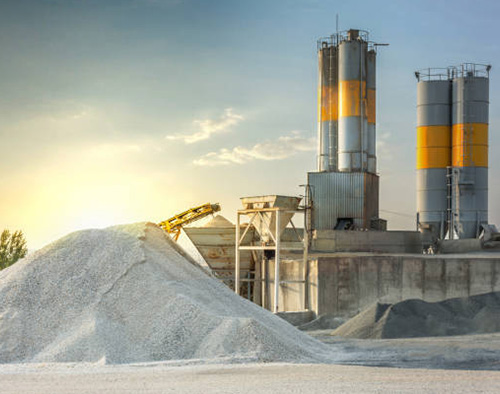
Fly ash is a fine, pozzolanic powder (bulk density ~0.6–1.0 t/m³) that is air-borne, abrasive and…
Learn more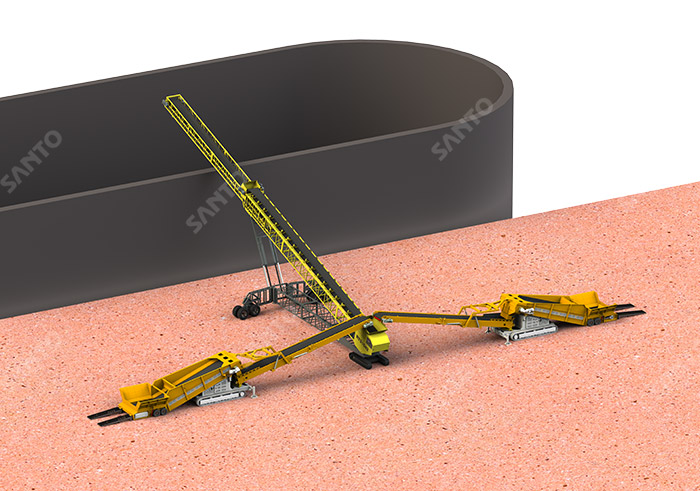
Dry bulk is the family of free-flowing solids — grains, ores, fertilizers, salts — each with its…
Learn more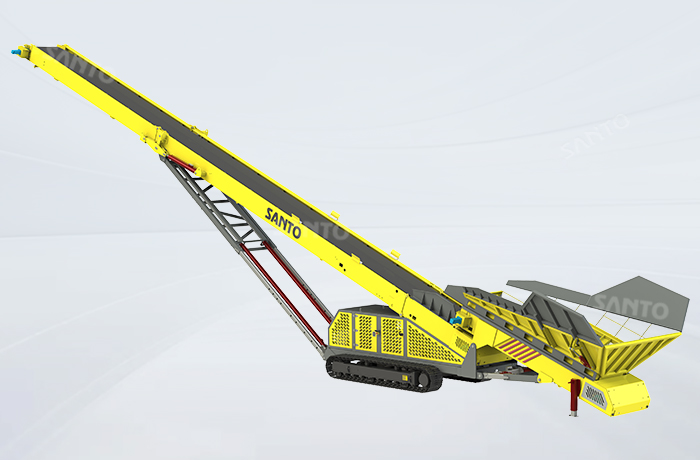
Sand is a fine, free-draining granular with bulk density 1.5–1.8 t/m³ and an angle of repose near…
Learn more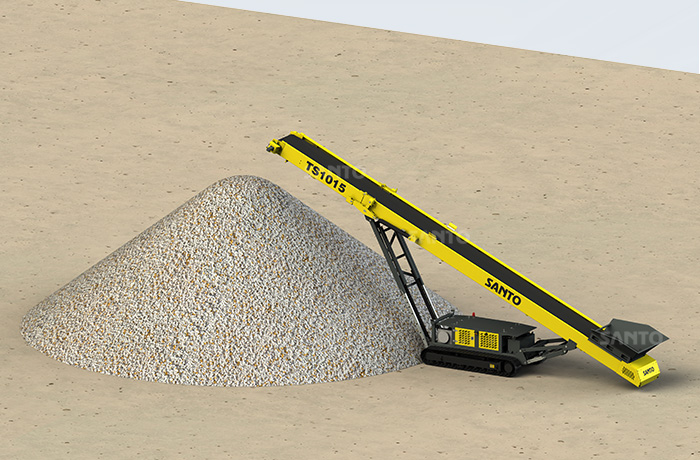
Copper ore is a hard, high-density rock (2.5–3.0 t/m³) whose concentrate is a fine, dusty powder.…
Learn more
Dirt and topsoil are moist, variable earth with bulk density 1.2–1.8 t/m³ that clumps and sticks…
Learn more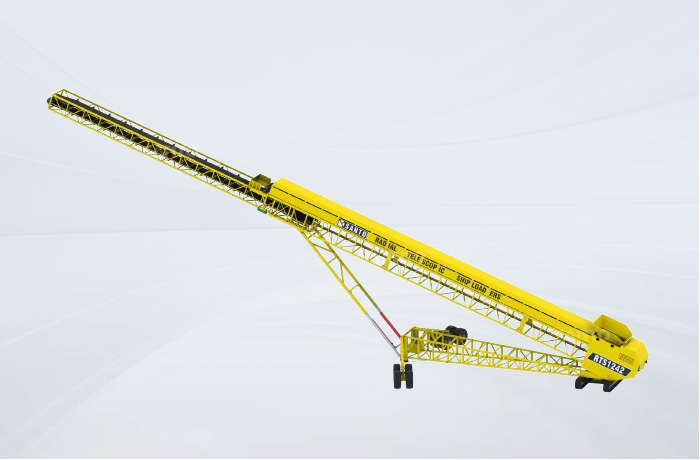
Gypsum is a soft sulfate mineral (CaSO₄·2H₂O) with bulk density 1.0–1.5 t/m³ that is friable and…
Learn more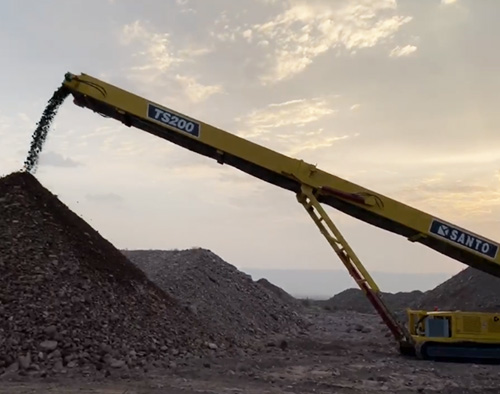
Quarried stone is hard, dense rock (2.4–2.8 t/m³) in lumps up to several hundred millimeters,…
Learn moreCement clinker is hot (up to ~1450 °C at discharge, cooling to ~100–200 °C), abrasive nodules of…
Learn more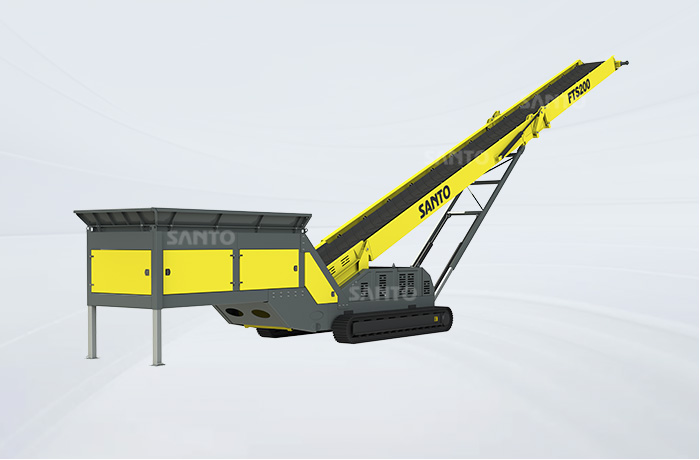
Iron ore is a very dense (2.5–3.5 t/m³), abrasive mineral whose fines are dusty and prone to…
Learn more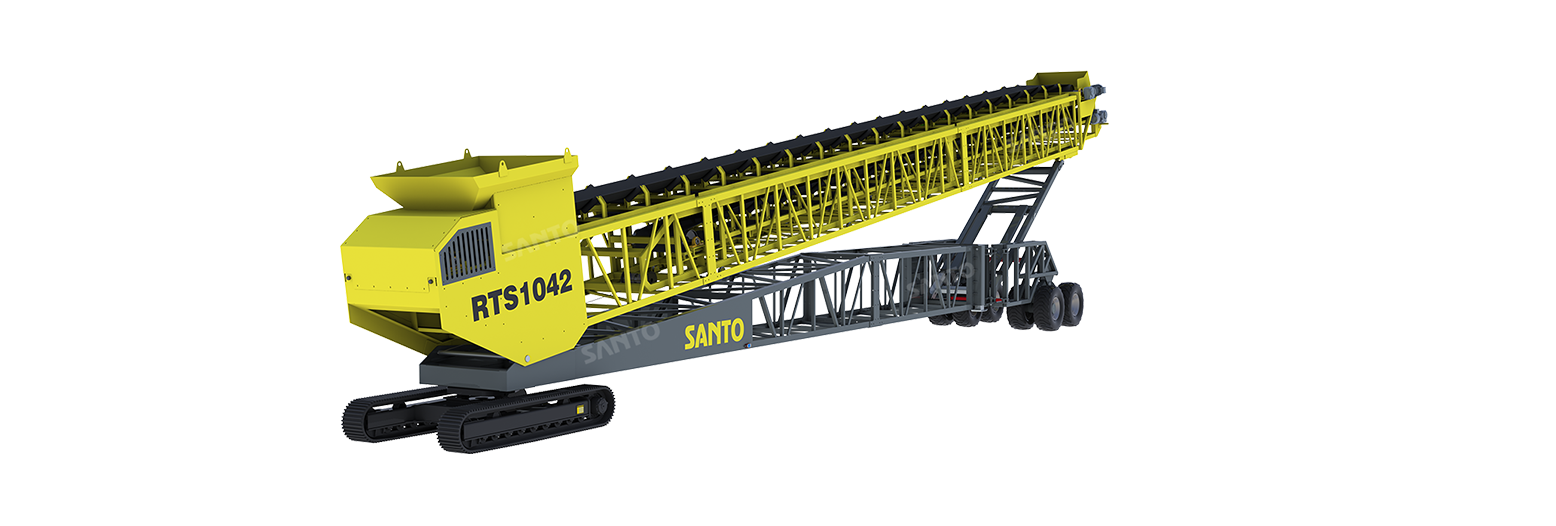
Soda ash (sodium carbonate) is a fine, free-flowing powder of bulk density 0.5–1.1 t/m³ that is…
Learn more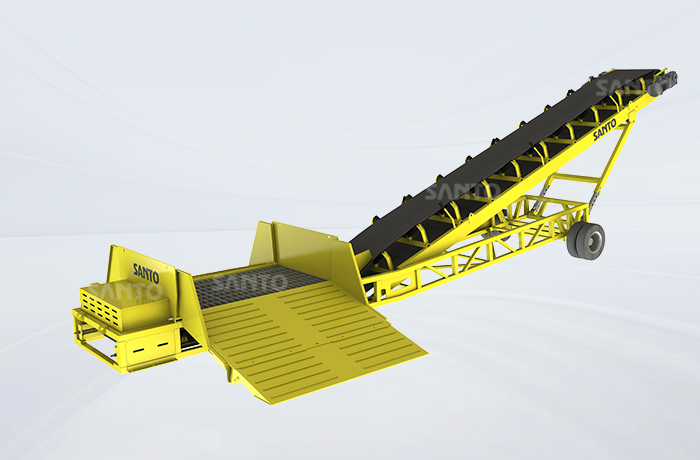
Grain is a fragile, free-flowing seed of bulk density 0.7–0.85 t/m³ that cracks and generates…
Learn moreRock is dense, angular mineral (2.4–3.0 t/m³) in lumps up to a meter, extremely abrasive and often…
Learn more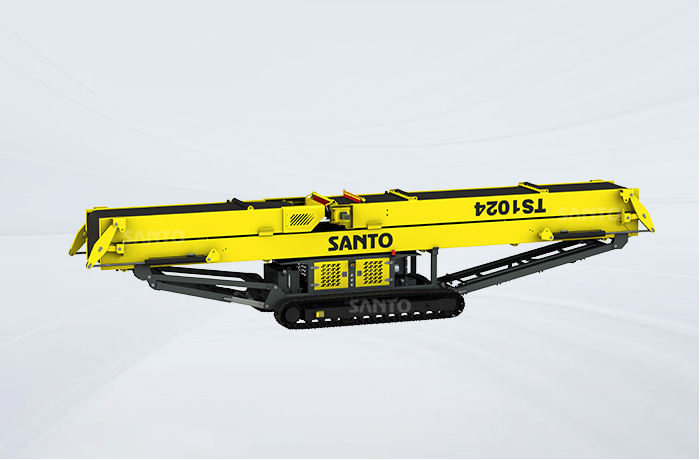
Zinc ore is a dense (2.5–3.5 t/m³), abrasive sulfide rock whose concentrate is a fine, dusty…
Learn more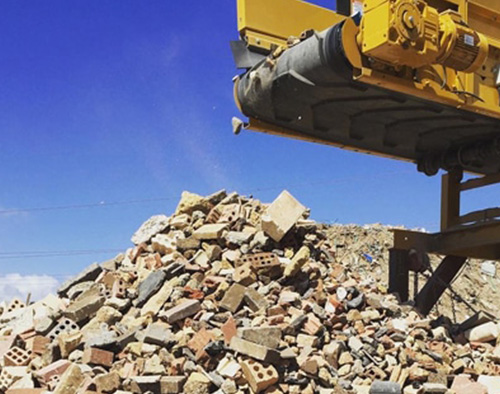
Construction waste is heterogeneous debris — concrete, brick, wood, metal — of bulk density…
Learn more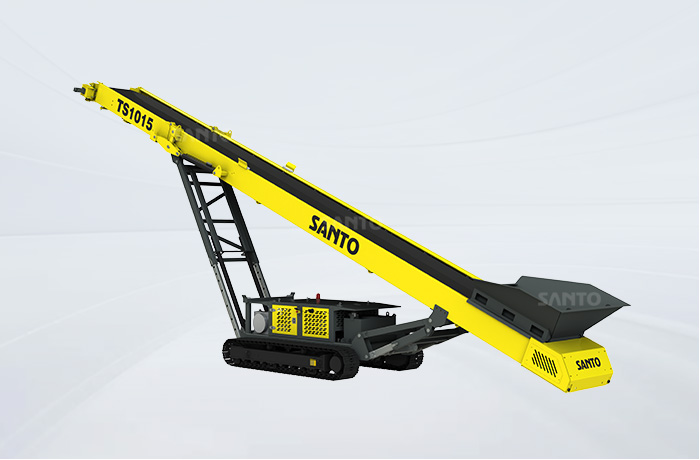
Bauxite is a moist, abrasive aluminum ore of bulk density 1.2–2.0 t/m³ that sticks when wet and…
Learn moreSend us your material, required capacity and site layout. SANTO engineers will size the equipment and return a configuration proposal within 12 hours — no obligation.