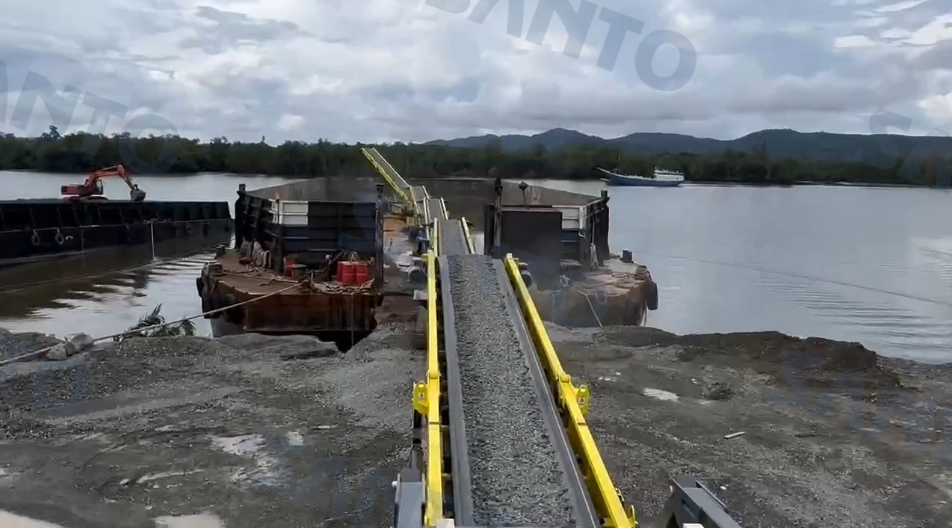
Mobile Ship Loader
Mobile ship loader on wheels or tracks for coal, ore, grain and cement at ports. High…
Learn more
Mobile conveying, stacking and ship-loading equipment built for the throughput and maneuverability demands of seaports, river terminals and inland wharves.
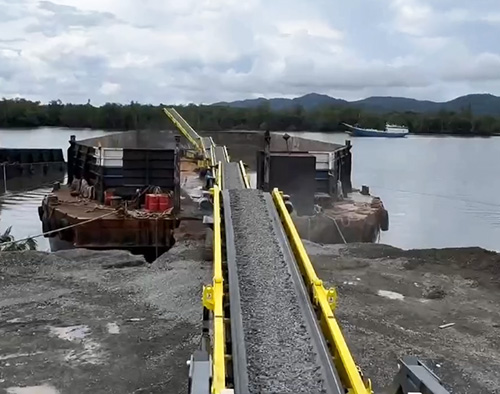
Ports move enormous volumes of dry bulk under tight vessel schedules. SANTO mobile conveying systems give terminal operators the flexibility to load ships, build stockpiles and transfer between modes without fixed infrastructure.
Terminal operators face variable vessel sizes, multiple cargo grades and cycle times measured in hours, not days. Tidal windows, hatch geometry and environmental limits on dust and spillage all constrain conventional methods such as grabs, shore cranes and fixed quay belts.
Space on the quay is expensive and rarely available for permanent conveyors that serve a single berth. Weather, salt corrosion and continuous 24-hour operation demand equipment that is robust yet quick to reposition. Manual dumping and re-handling also inflate operating cost and product degradation.
A mobile approach lets the same asset serve several berths and cargoes, trimming capital tied up in single-purpose plant while keeping dust and noise inside permissible limits.
A typical ship-loading train starts with a mobile ship loader fed by truck, hopper or a shore conveyor. The loader's radial and telescopic features let a single feeding point trim multiple hatches, cutting hatch-change downtime.
On the stockyard side, the tracked radial stacker builds compact, high-density piles (stacking height up to 15 m) with a ladder-fan pattern that lifts yard utilization. Grasshopper conveyors bridge the gap between a fixed feed and the moving stacker, extending reach without another drive unit.
Because every unit runs on diesel or electric power with remote control, one operator can manage loading and stacking simultaneously, and the whole system can be relocated mid-operation if the berth schedule changes.
Match belt width and length to peak vessel rate. For 100–1500 t/h duties, SANTO conveyors in the 800–1600 mm belt range with 10–41 m lengths cover most bulk trades. Telescopic booms are worth the premium where hatch trim and reduced double-handling dominate cost.
Consider power source against shore power availability: electric drives cut emissions at the quay, while diesel gives freedom where cabling is impractical. Specifying sealed bearings and marine-grade paint protects against corrosion.
Mobile systems remove the double-handling that loaders and grabs impose, directly raising effective throughput per shift. Continuous belt conveying is also gentler on cargo, reducing degradation of friable bulk and keeping grades cleaner.
From a safety and ROI standpoint, fewer truck movements and machine interactions mean fewer incidents, while the ability to redeploy one asset across berths and commodities spreads capital over far more tonnage. Most terminals recover the investment within the first season of extended berth utilization.
Yes. Radial slewing and telescopic booms let a single loader trim hatches across small coasters and large bulkers, repositioning between berths in minutes rather than days.
SANTO loaders use enclosed chutes, telescopic trimming that minimizes drop height, and optional water-spray or dry-collection points to stay within terminal environmental limits.
Both options are available. Electric drives suit berths with shore supply; diesel-electric units give full mobility where cabling is impractical.
Configurations cover roughly 100–1500 t/h depending on belt width, material density and boom length, sufficient for most dry-bulk and marginal-ore trades.
Mobile ship loader on wheels or tracks for coal, ore, grain and cement at ports. High…
Learn more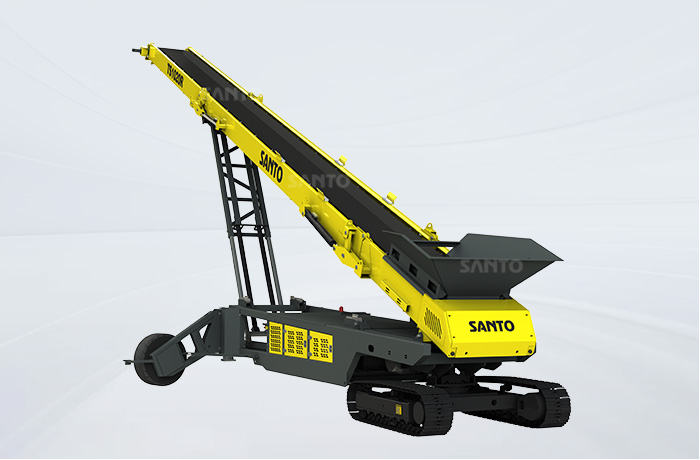
Tracked radial stacker with full 360° slew, 20-30 m belt and up to 1000 t/h. Builds large…
Learn more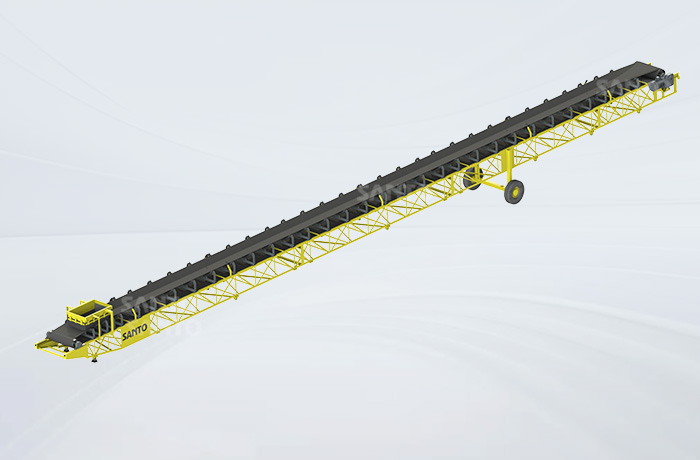
Grasshopper transfer conveyor, 20-45 m and 300-700 t/h, wheel-mounted to move bulk long…
Learn more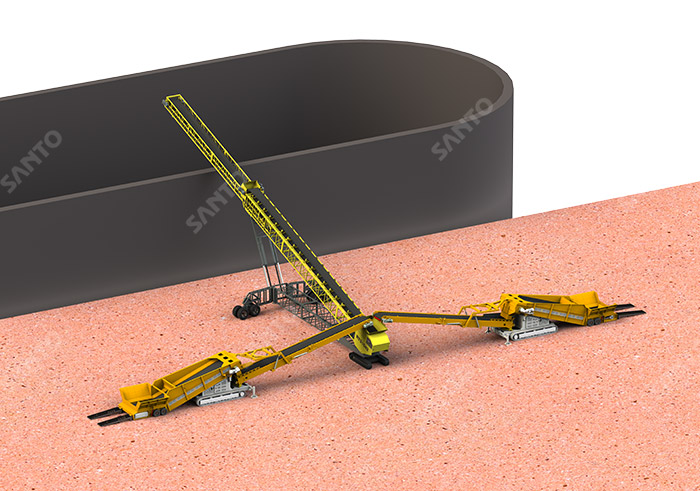
SANTO mobile conveyors and stackers handle dry bulk commodities — grains, ores, fertilizers —…
Learn more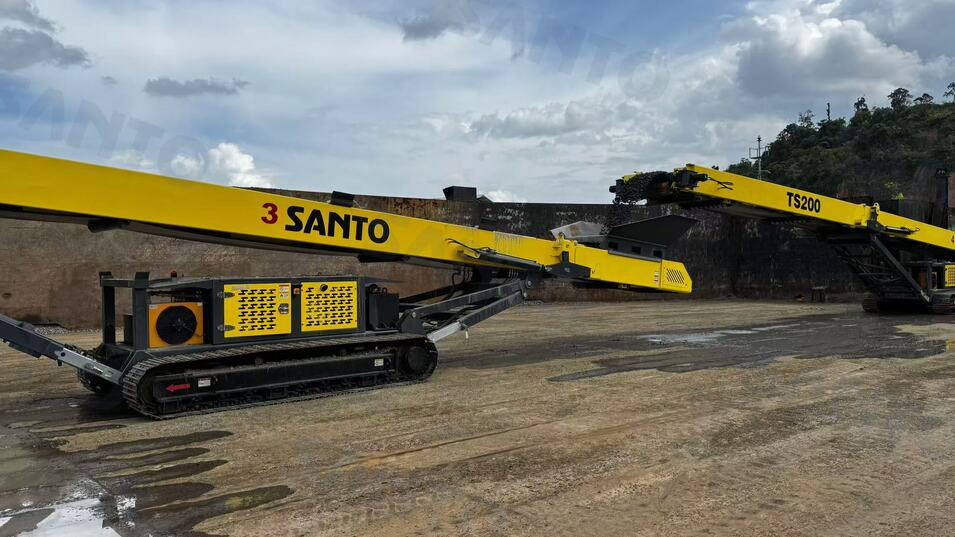
SANTO mobile conveyors and stackers handle thermal and coking coal — dust-controlled,…
Learn more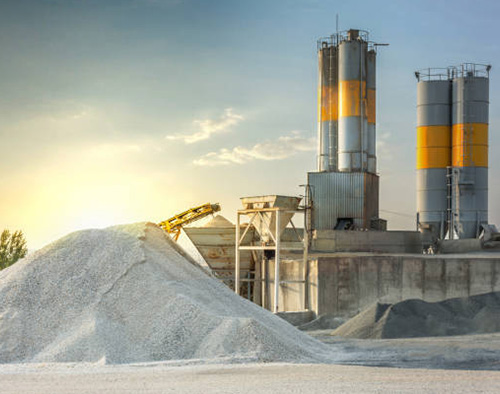
SANTO mobile conveyors handle clinker, gypsum and additives at cement plants. Heat-resistant,…
Learn moreSend us your material, required capacity and site layout. SANTO engineers will size the equipment and return a configuration proposal within 12 hours — no obligation.