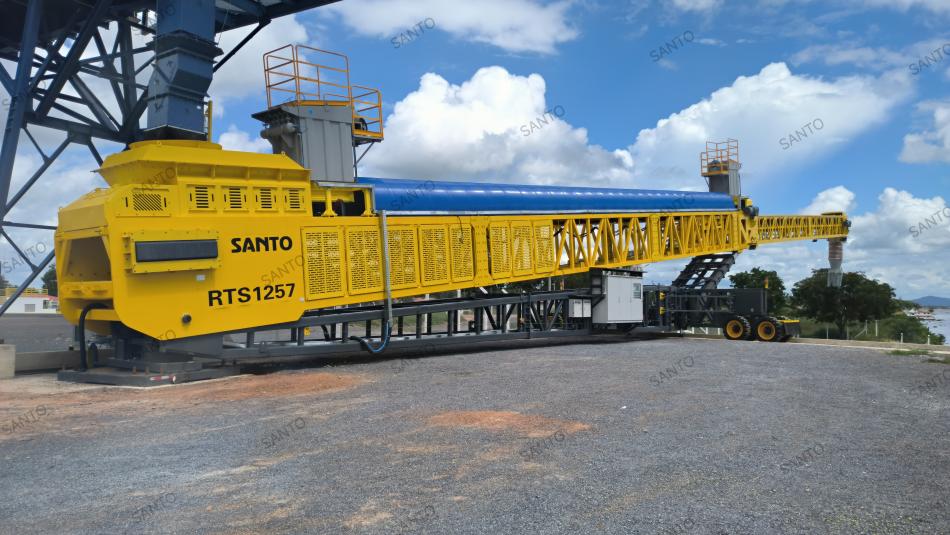
Application of Telescopic Stackers in Ports and Terminals
How telescopic stackers boost port and terminal ship loading with adjustable reach, dust control, rail…
Learn more
Practical engineering guides, selection methods and cost analysis for mobile conveyors, stackers, ship loaders and truck unloaders — written by the people who build them.
Buying a mobile conveyor is easy; buying the right one takes five numbers and an honest look at your site. The articles below walk through the decisions that matter most: which type of machine suits which job, what actually drives the price, how stacking geometry changes usable yard capacity, and how mobile equipment compares with the loader-and-truck alternative.
If you are new to mobile conveying, begin with the type overview, then read the selection guide, then the cost breakdown. Those three articles answer most of the questions we receive by email, and they will make your first enquiry far more productive — for both of us.
How telescopic stackers boost port and terminal ship loading with adjustable reach, dust control, rail…
Learn more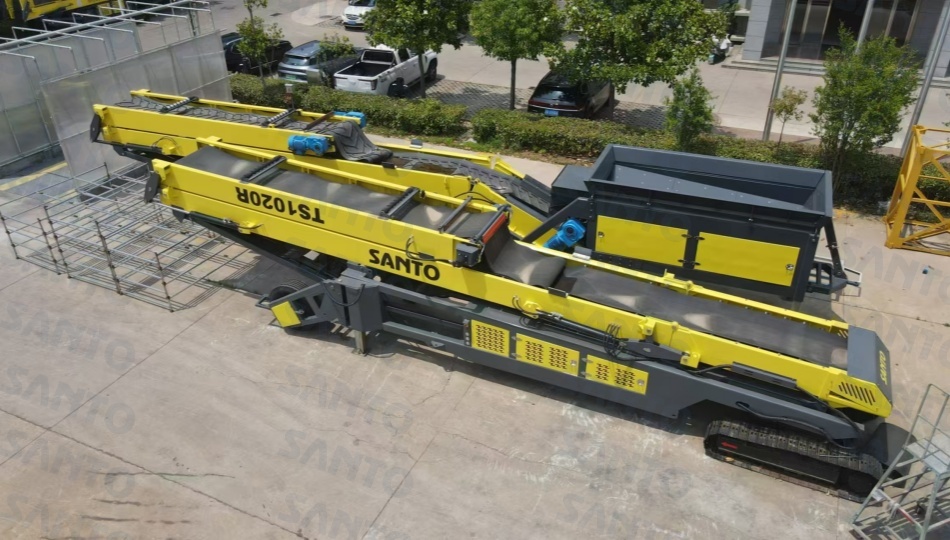
A practical buyer guide to choosing a mobile conveyor: match material, capacity, belt size, power, mobility,…
Learn more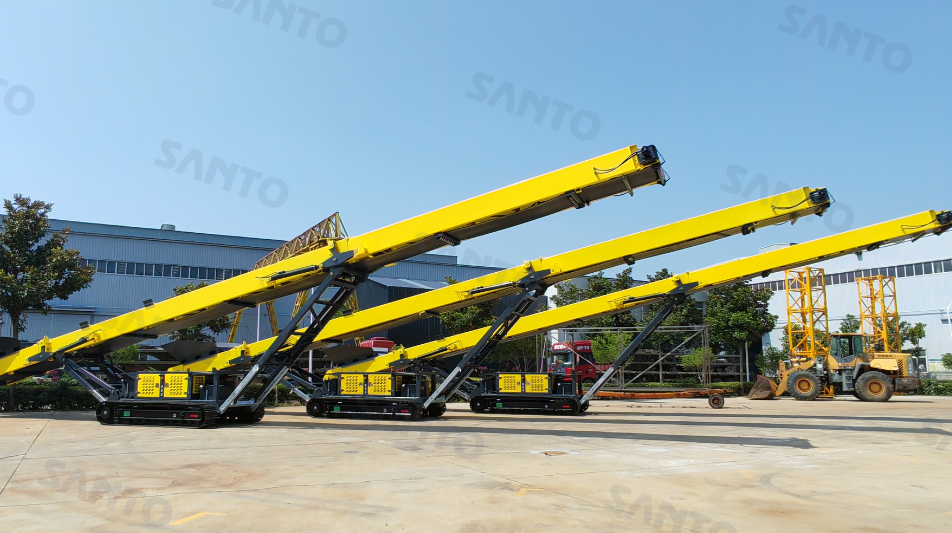
Understand mobile conveyor price drivers: specs, drive system, options, steel quality, supplier, and…
Learn more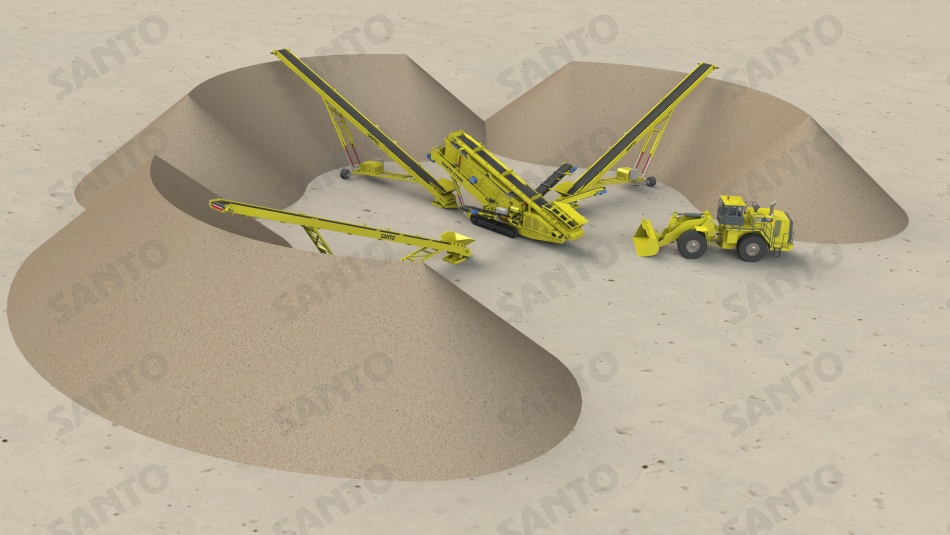
Why mobile stackers beat wheel loaders for mine stockpiling: lower cycle cost, simpler flow, and a smaller…
Learn more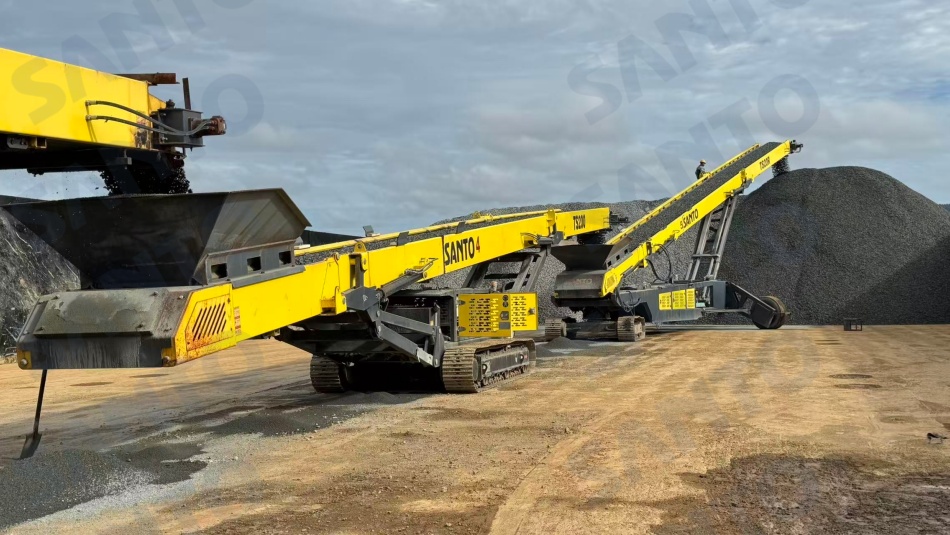
How mobile conveyors handle ore, coal, cement, port, and grain stockpiles: structure, benefits, and why they…
Learn more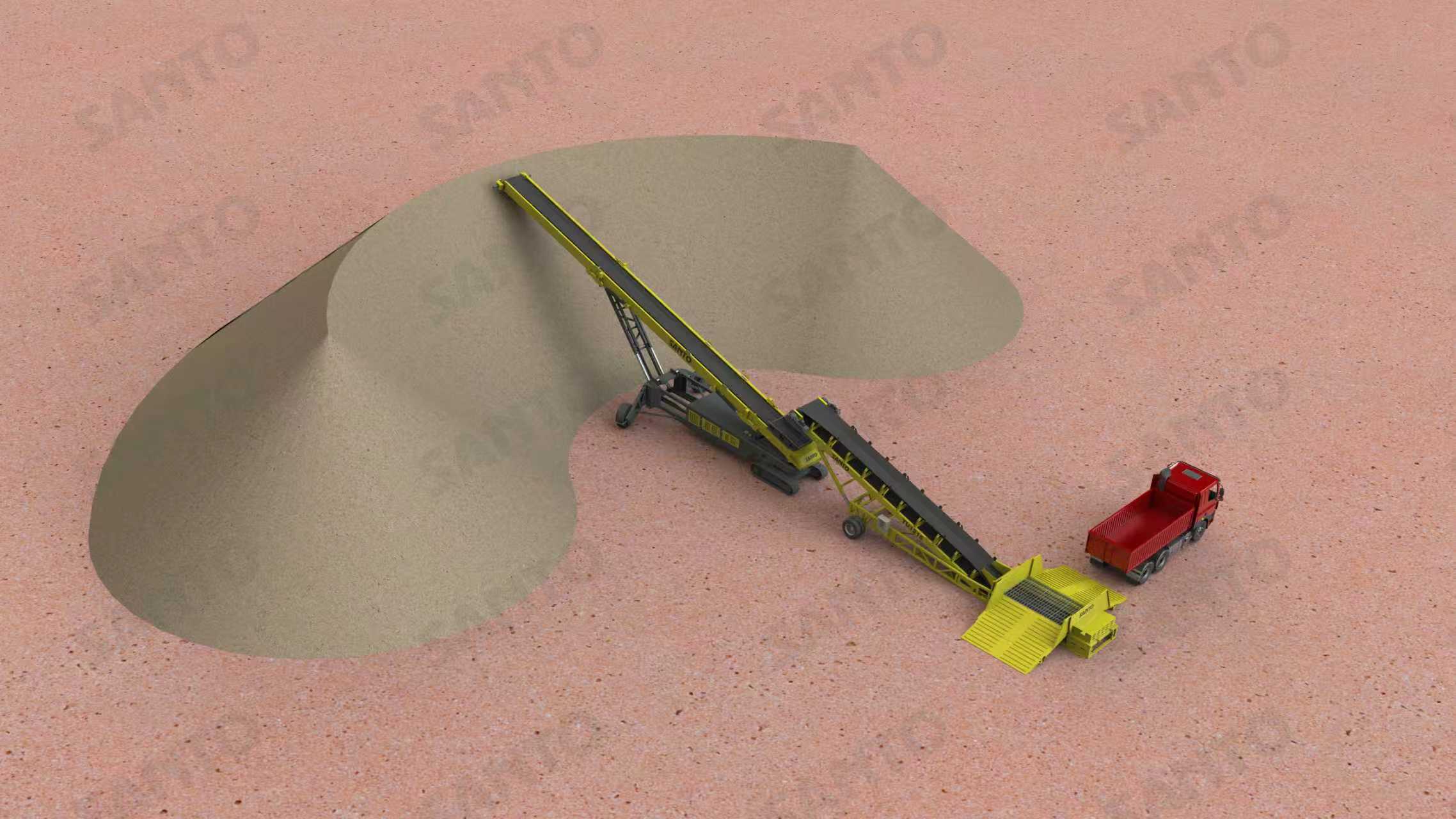
Why mobile conveyors win at stockpiling: taller neater piles, no transfer breakpoints, lower labor and…
Learn more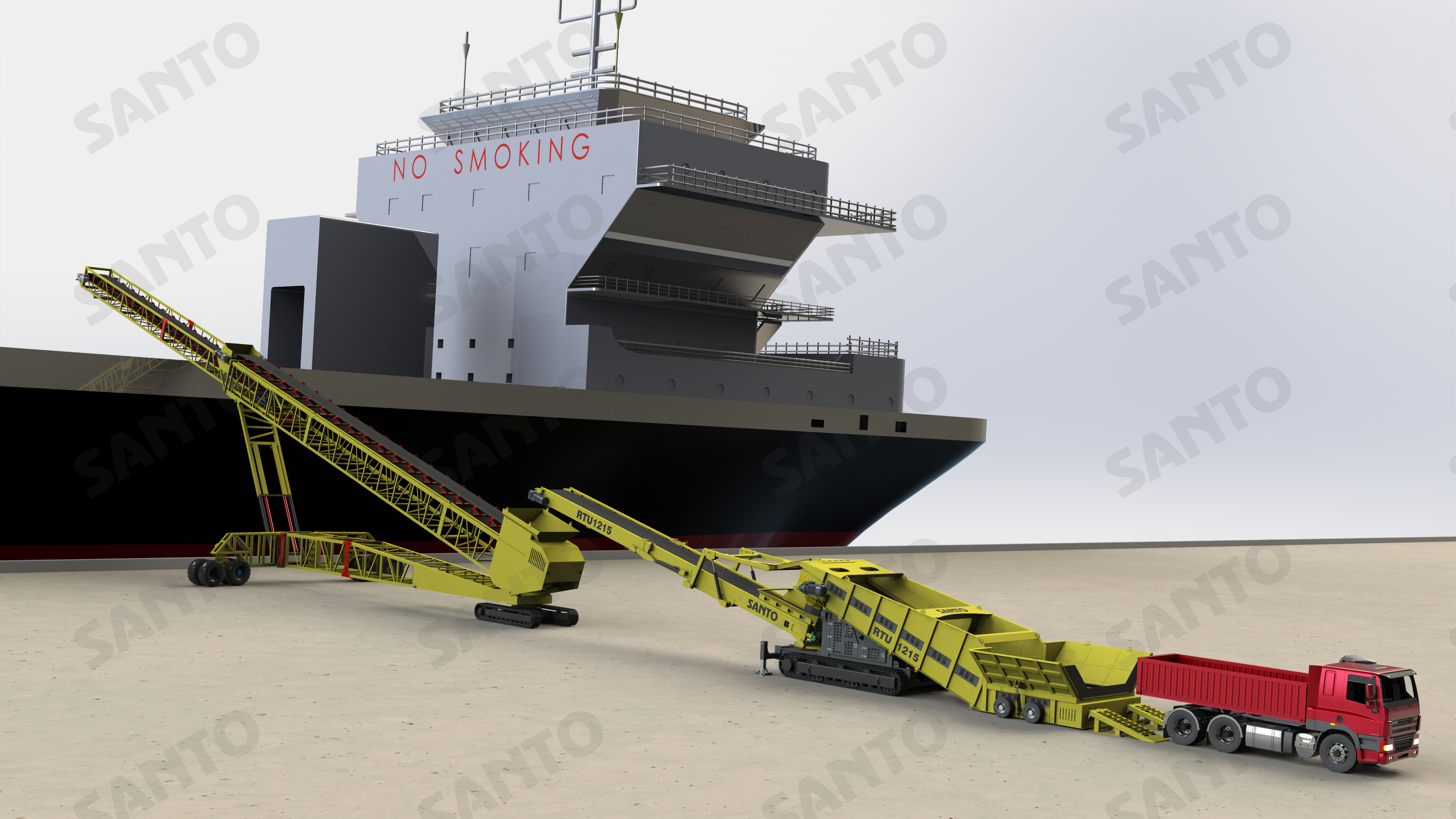
Why radial telescopic conveyors suit ship loading: wide coverage from one base, no-stop point switching,…
Learn more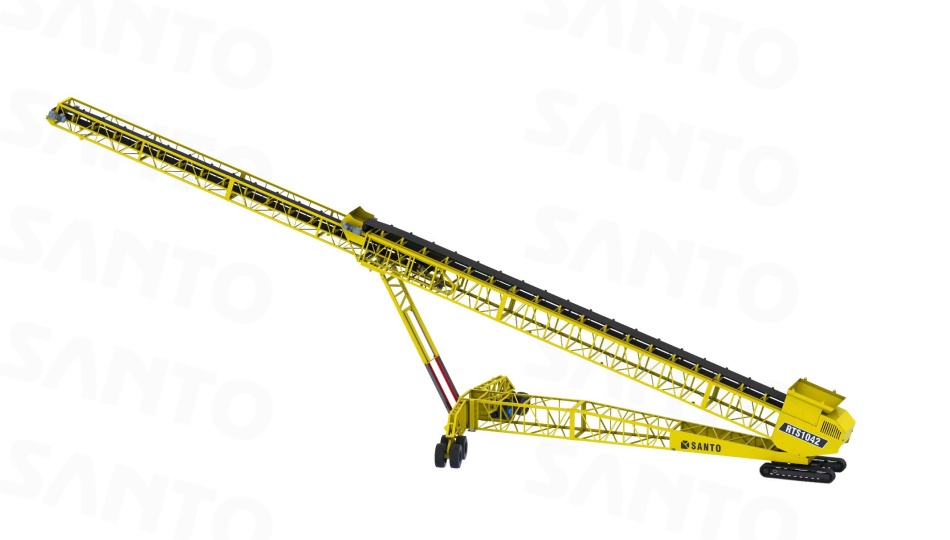
Explore radial mobile telescopic conveyors: how they work, where they are used in ports, mines, and…
Learn more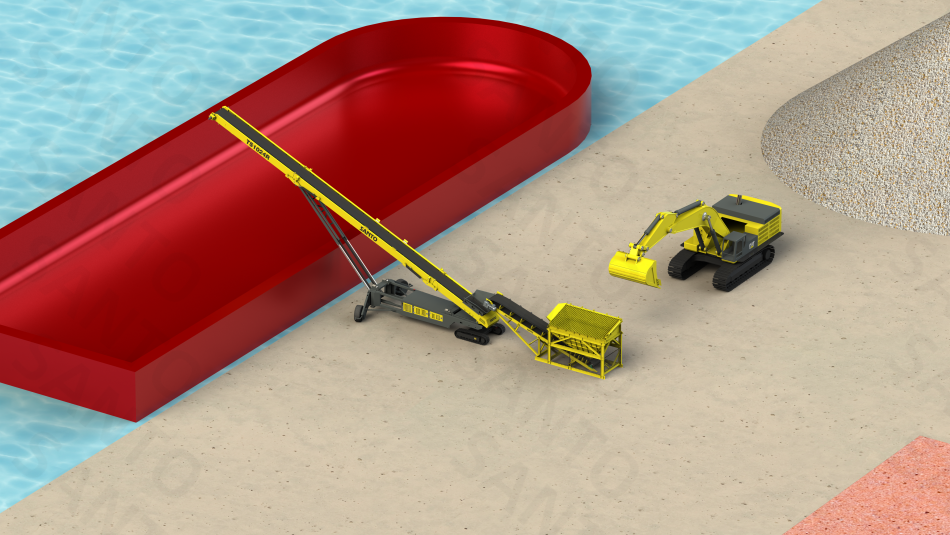
Four ship-loading layouts using mobile conveyors: shore direct, yard shuttle, quay relay, and ship-carried,…
Learn more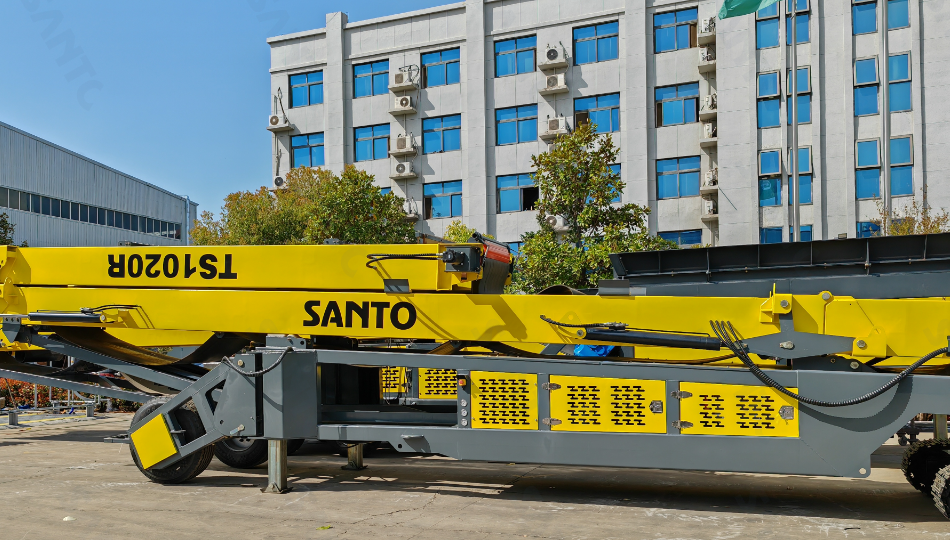
Why mobile ship loading conveyors beat fixed loaders: flexible positioning, continuous high-volume flow,…
Learn more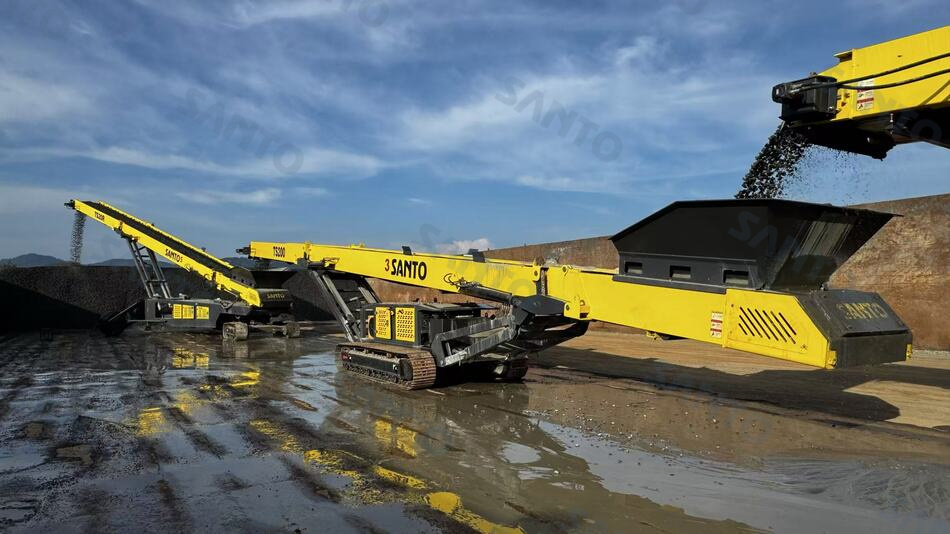
How pairing mobile conveyors with mobile crushers cuts cost and labor: continuous flow, flexible siting, and…
Learn more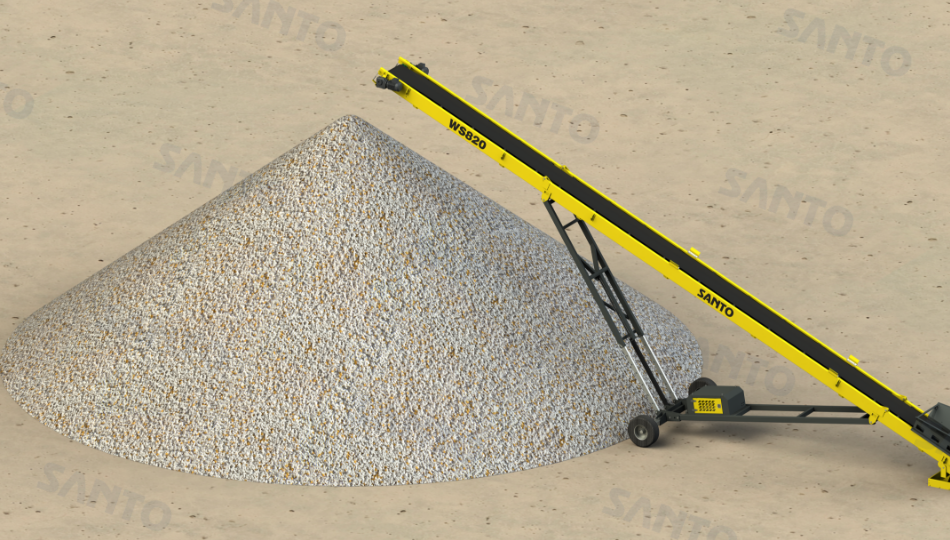
A checklist for buying a wheeled mobile conveyor: capacity, particle size, drive, weather protection, and…
Learn more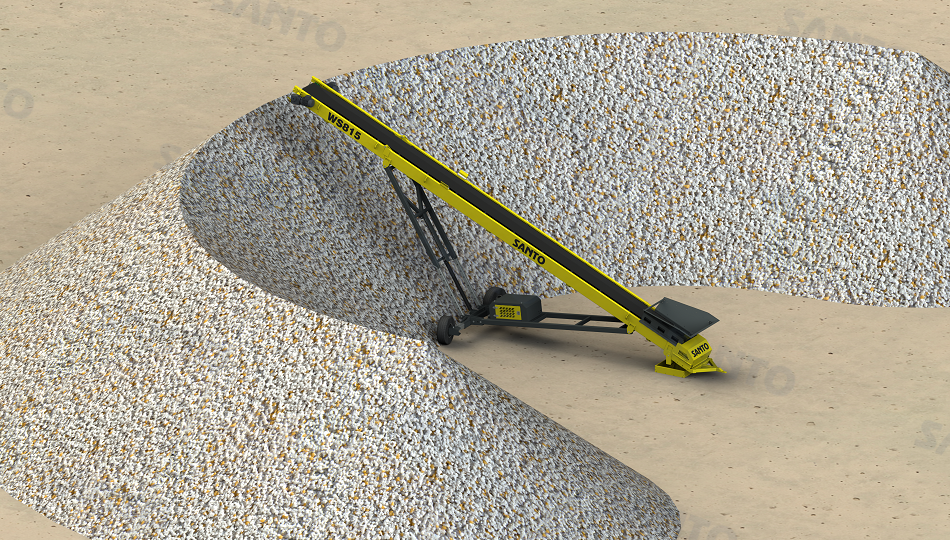
Wheeled mobile conveyor price drivers: spec, material and build, drive and controls, and brand. Indicative…
Learn more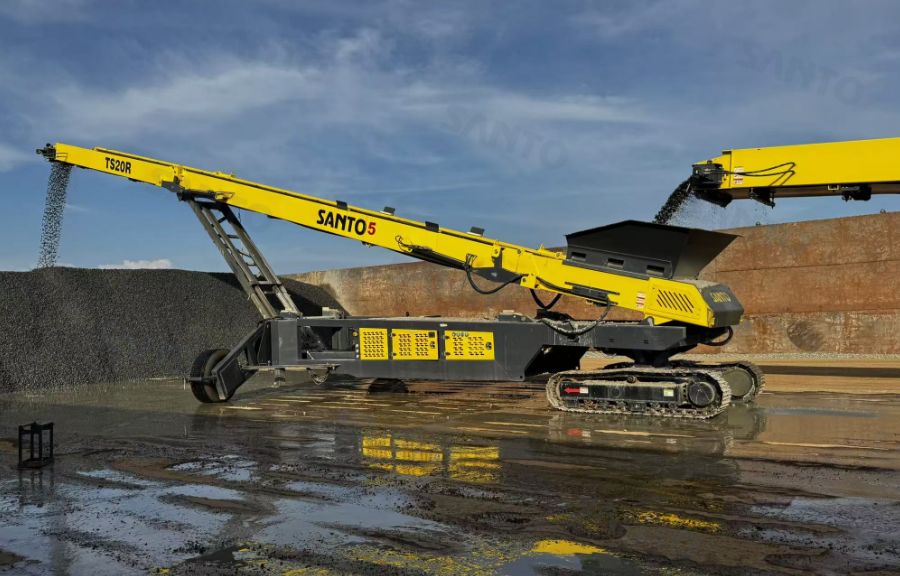
Tracked radial stacker price factors: capacity, components, belt, controls, and support. Why SANTO is a…
Learn more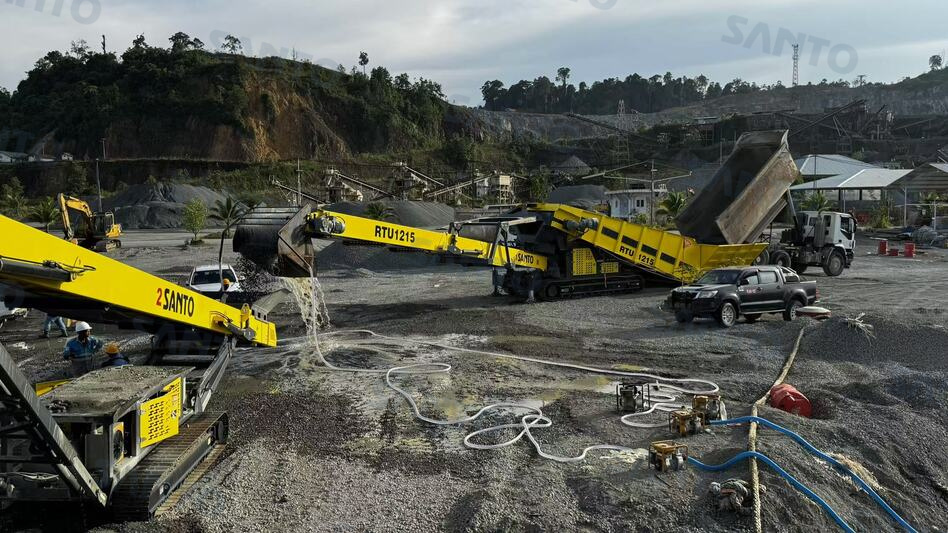
A buying guide to mobile conveyors for sale: types, features, mobility, and how SANTO matches a unit to…
Learn more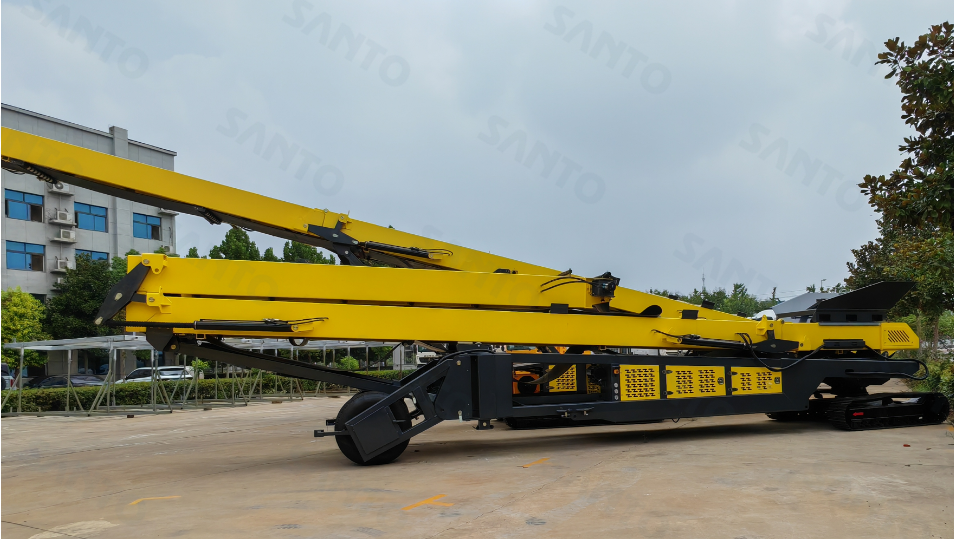
Tips to secure the best mobile conveyor price: match type and capacity, weigh lifecycle cost, and budget for…
Learn more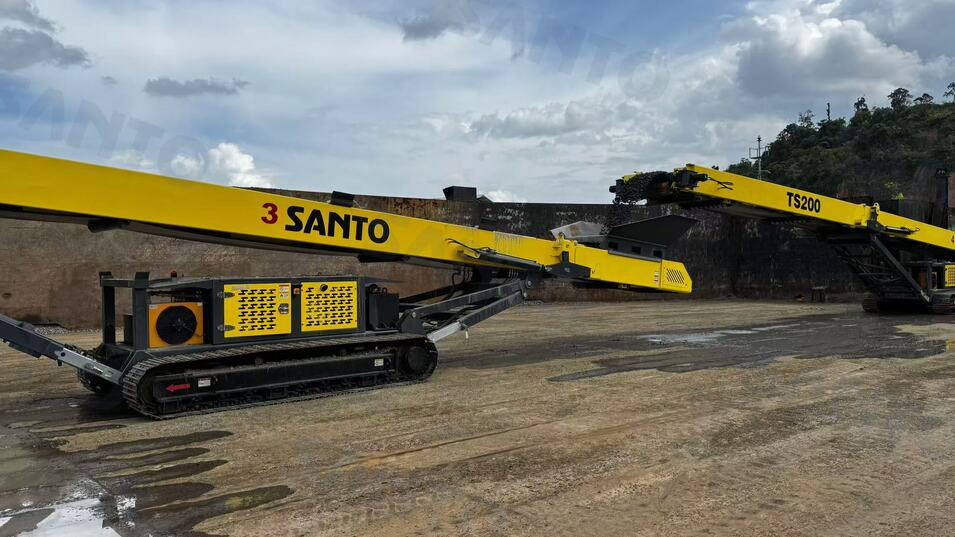
Mobile conveyor ship loader advantages: high continuous capacity, mobility, adjustable angle, safety, and…
Learn more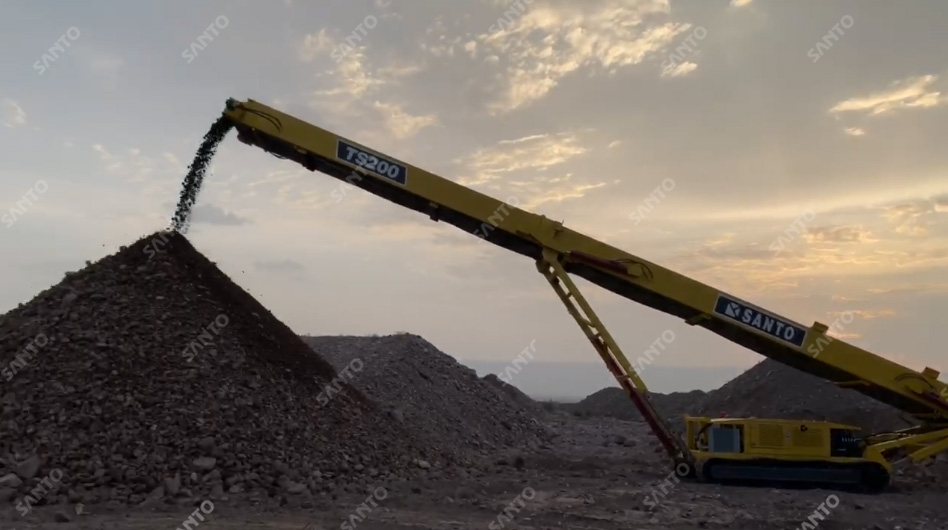
Five reasons to choose mobile ship loaders: lower capital, faster lead time, quick install, high mobility,…
Learn more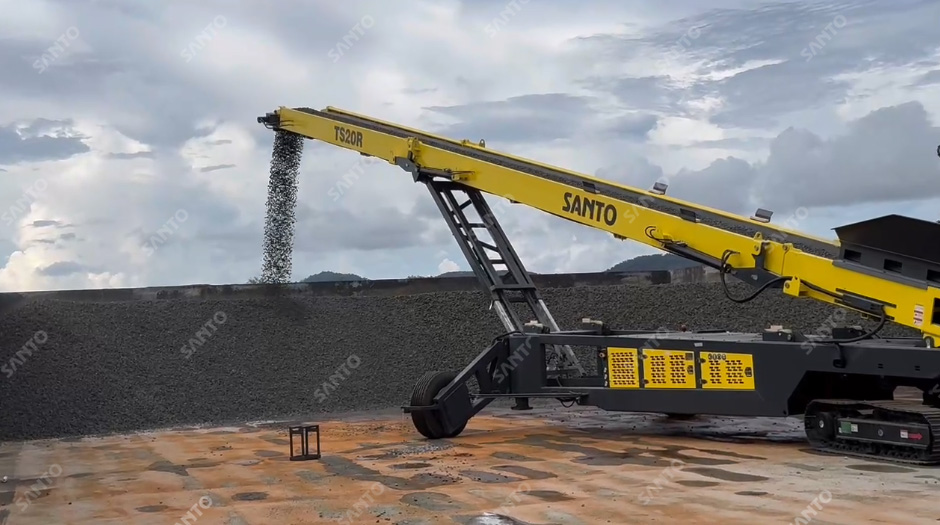
Where mobile belt conveyors work: ports, mining, construction, warehousing, and agriculture, with the…
Learn more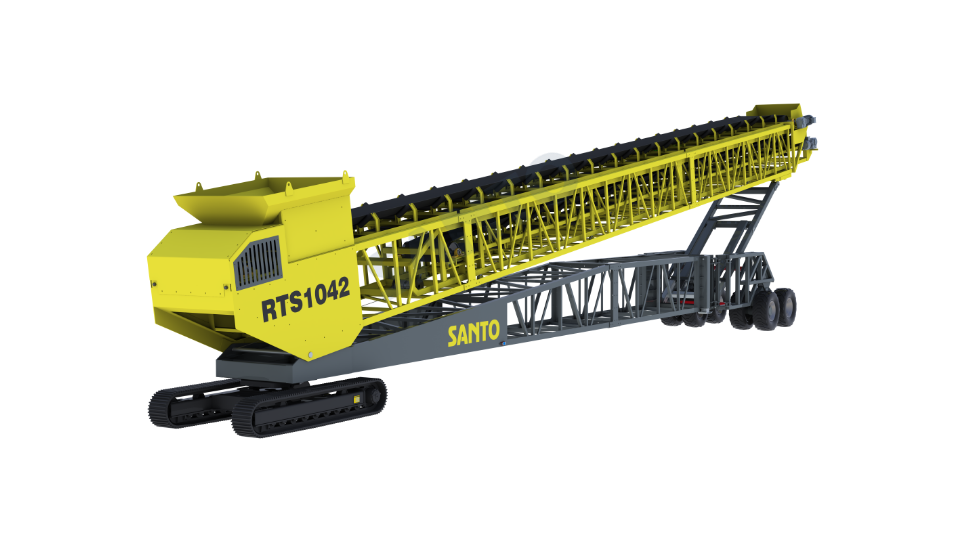
How a telescopic stacker works: mobile base, telescopic boom, hydraulic and electric control, and continuous…
Learn more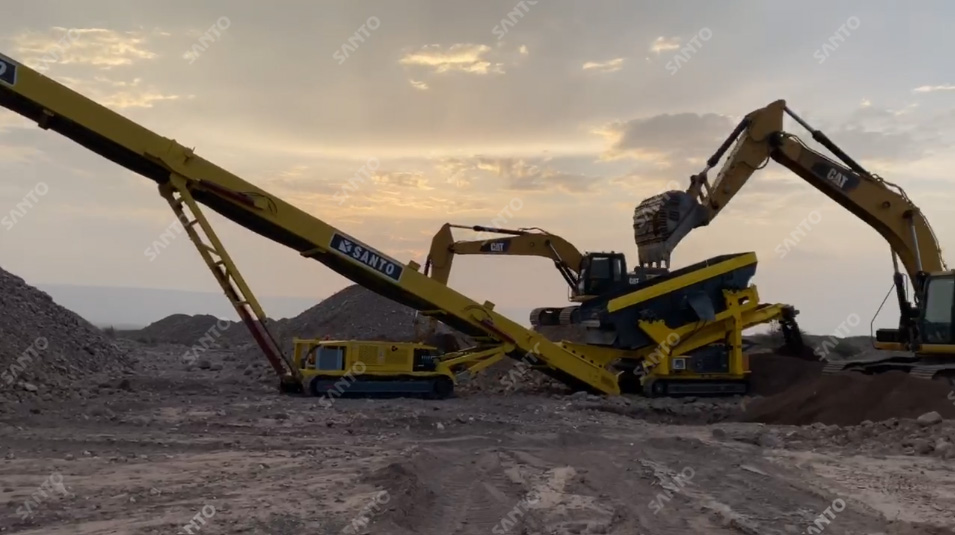
A systematic plan to choose a suitable mobile conveyor: assess material and throughput, compare options, and…
Learn more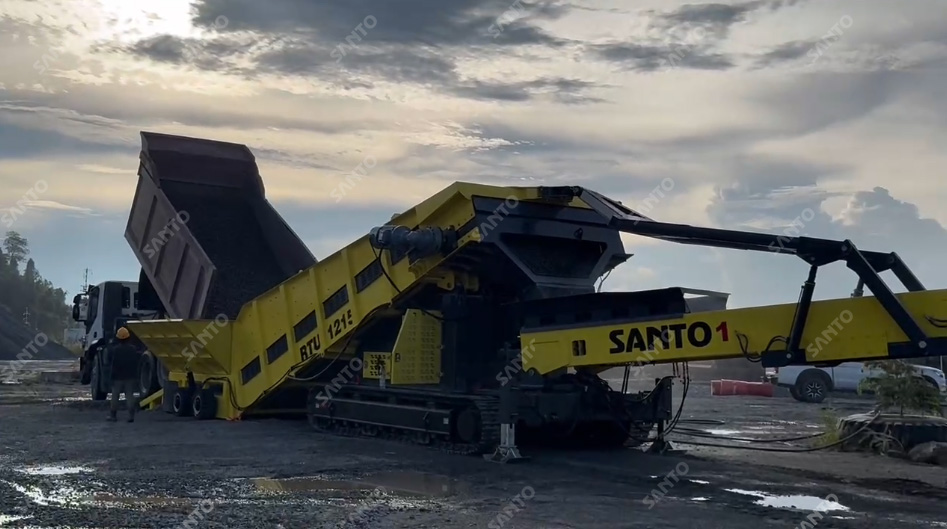
Why mines choose mobile conveyors: flexible displacement, seamless link to excavation, less equipment, lower…
Learn more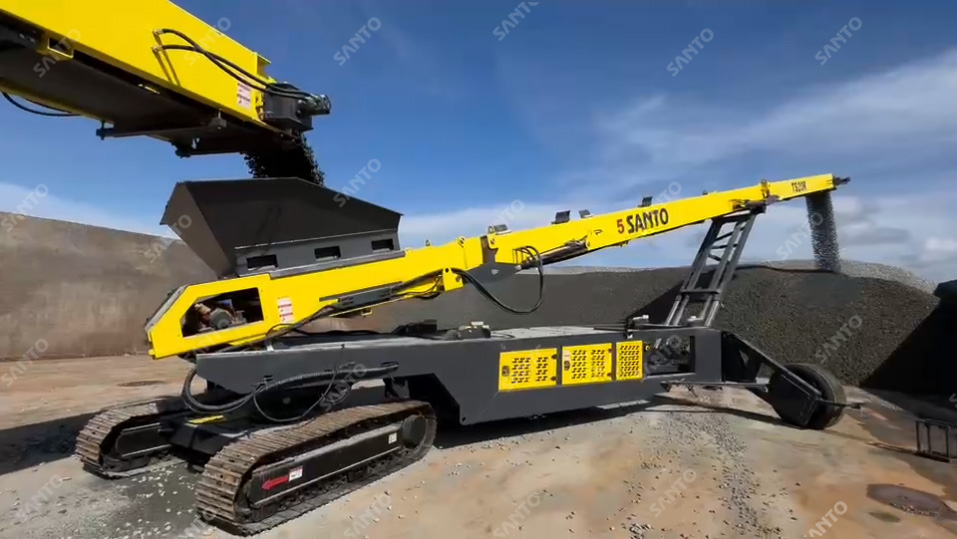
Mobile or fixed belt conveyor: compare install, flexibility, and fit. Mobile for frequent moves, fixed for…
Learn more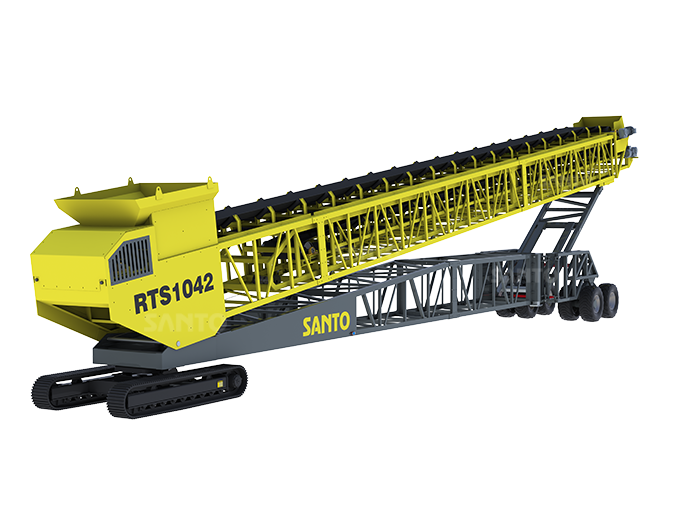
The main types of mobile conveyors: wheeled, tracked, telescopic, radial, stacker, swivel, and more, with…
Learn more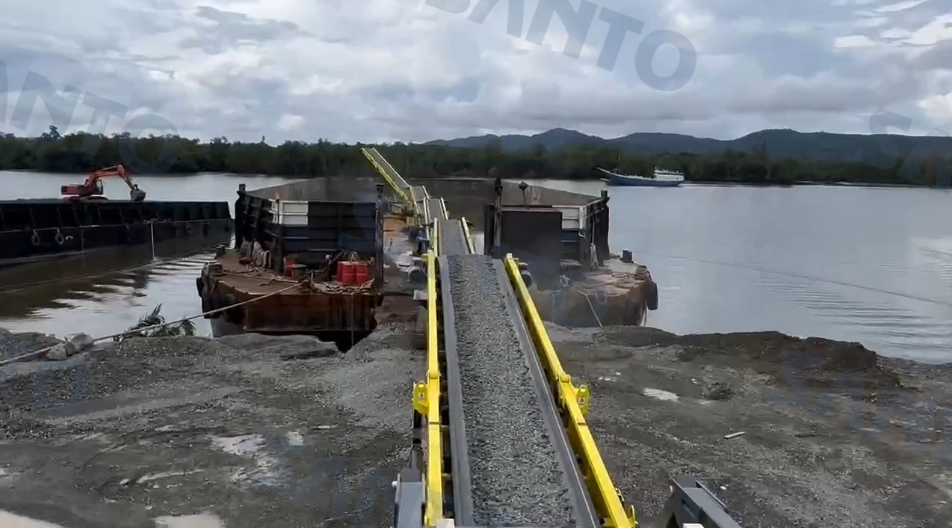
Portable conveyor advantages and types, price factors, and why SANTO is a supplier: flexible, efficient bulk…
Learn more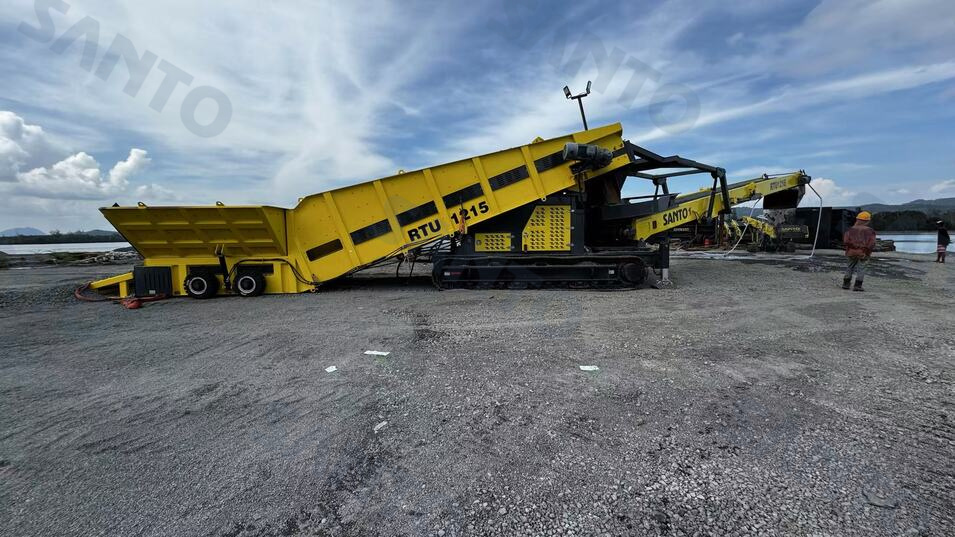
Mobile truck unloader features and uses: portability, adjustable height, high throughput, and versatility…
Learn moreSend us your material, required capacity and site layout. SANTO engineers will size the equipment and return a configuration proposal within 12 hours — no obligation.