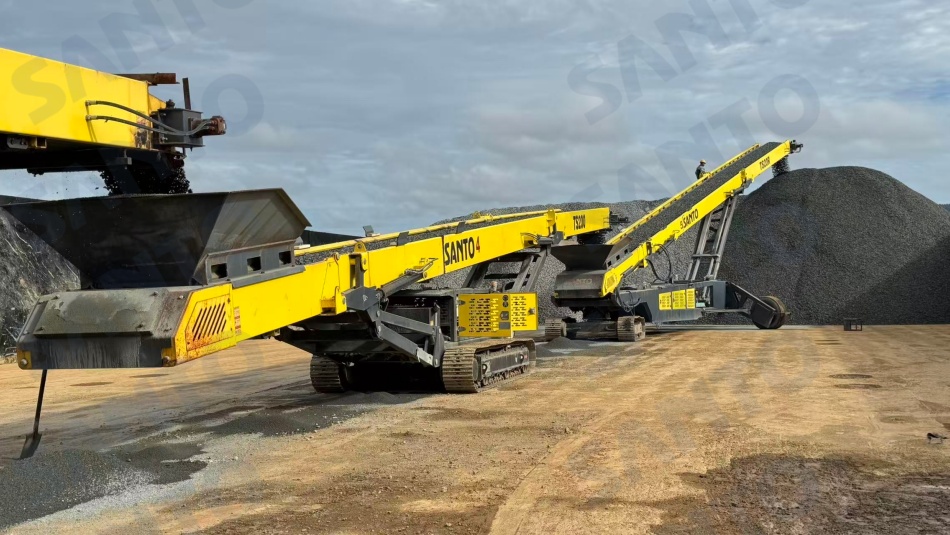
Application of Mobile Conveyors in Stockpiling Operations
How mobile conveyors handle ore, coal, cement, port, and grain stockpiles: structure,…
Learn more
From stacking height to operating cost, the concrete benefits of mobile conveyors in the stockyard.
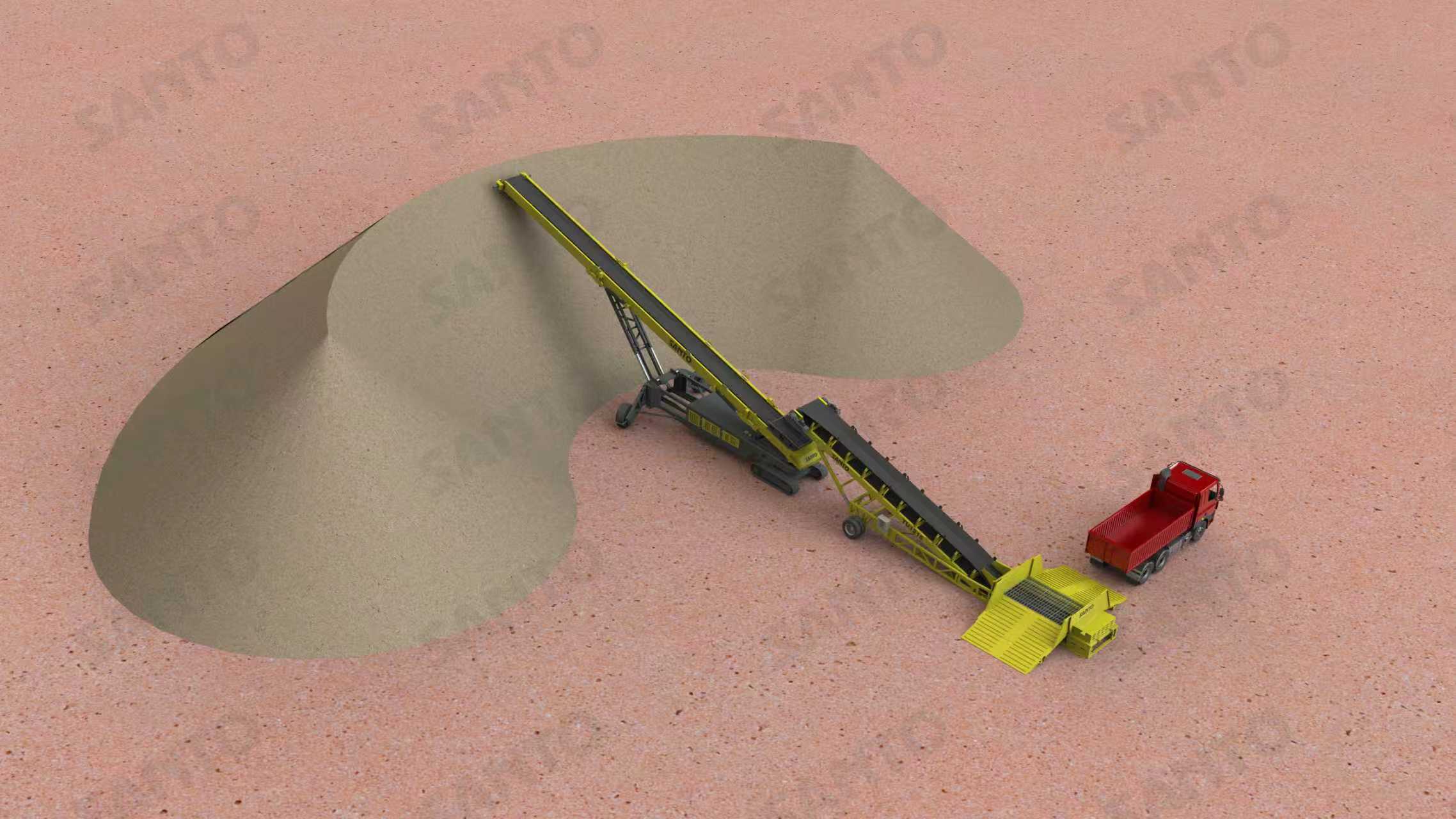
Mobile conveyors improve stockpiling by raising pile height and order, removing transfer breakpoints, and cutting labor, maintenance, and energy cost. They turn a fixed handling limit into an adjustable, relocatable buffer sized to the material. The application of mobile conveyors in stockpiling shows where this pays off across industries.
Hydraulic extend-and-tilt booms lift small models to 3 to 10 m and heavy models beyond 20 m, raising single-pile capacity and freeing yard space for more material under the same footprint than a loader pile allows.
Discharge flow devices place material precisely to cut spillage and keep the pile stable. Radial travel around the pile point, with boom-angle control, maximizes space use and evens ventilation in grain stores to reduce caking and mold.
Fixed conveyors are locked to a path and need extra transfer points when source or pile moves, adding wear and delay. A mobile conveyor links the two directly, with no intermediate handling step to break the flow or add a spill point.
Setup takes one to two hours against days for fixed civil works, so the unit suits emergency and temporary stockyards as well as permanent ones that must change layout with the season or the product mix arriving that week.
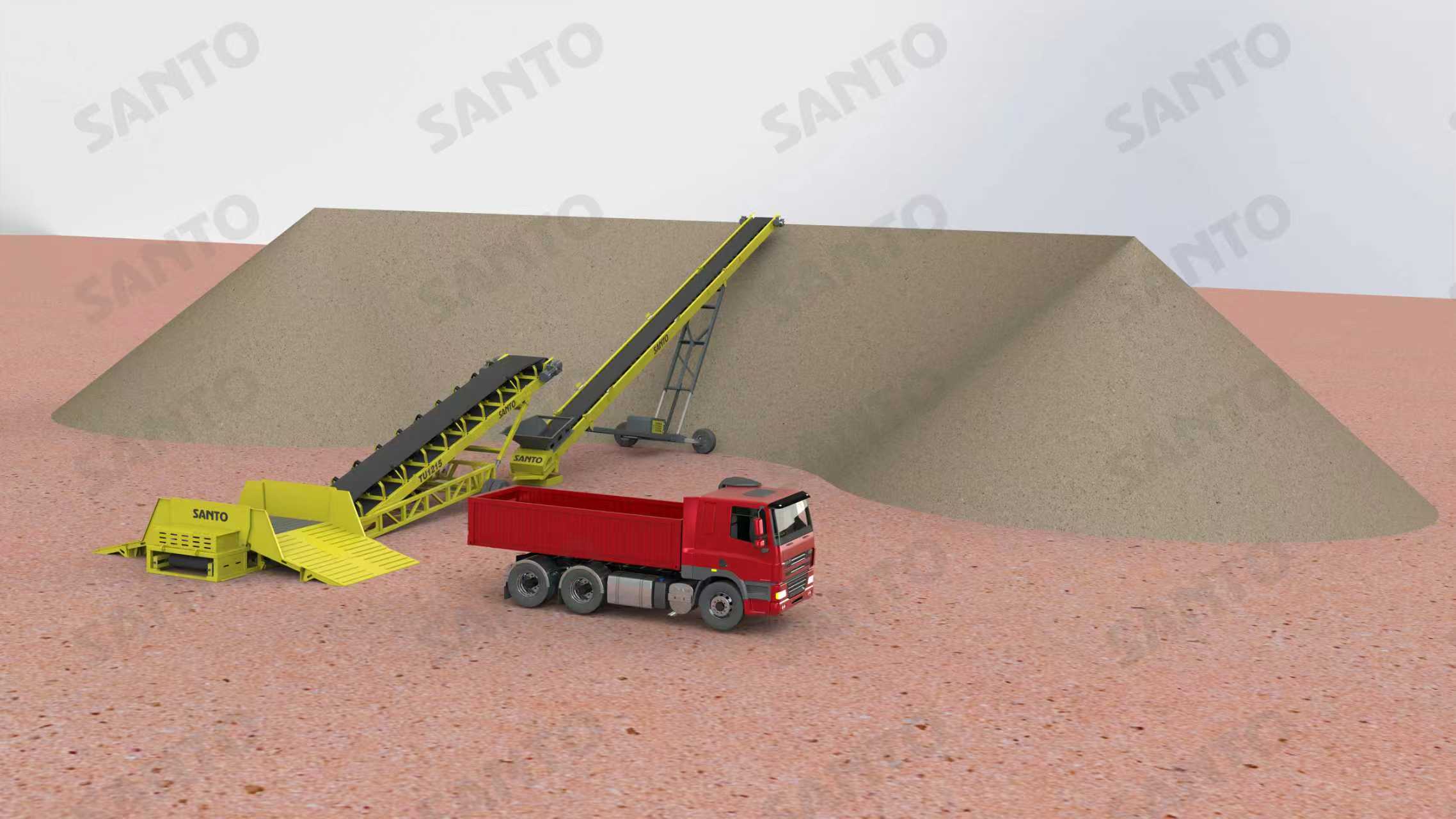
No permanent foundation is needed, and high stacking lifts yard capacity, trimming rental or expansion cost. One operator replaces three to five workers versus traditional loader methods on the pile during a shift.
Simple structure extends maintenance intervals by about half and cuts cost by over 25 percent, while efficient design lowers power use by 15 to 20 percent, which shows on the energy bill every month of operation at the yard.
| Saving | Indicative gain |
|---|---|
| Labor | 3 to 5 workers replaced |
| Maintenance | intervals up ~50 percent |
| Energy | use down 15 to 20 percent |
Heavy abrasive duty such as coal or ore gets reinforced booms and wear belts with dust control. Clean duty such as grain gets food-grade belts and soft guides to limit breakage and protect product quality through the store.
Harsh sites get tracked or off-road wheeled chassis with high protection. The conveyor is configured, not just selected, to the material and ground so it survives the shift instead of failing at the first wet week on site.
Viewed broadly, the mobile conveyor is not only a transfer tool but a key piece of stockyard design. It decides pile shape, reclaim ease, and labor count, so choosing it well changes the whole economics of storage for the plant.
With intelligent and green features advancing, the radial telescopic conveyor logic is spreading from ports into yards, giving more sites the same reach and neatness at lower cost than before. The mobile stackers compared to loaders view shows the saving this unlocks at the mine.
Small units 3 to 10 m, heavy units beyond 20 m depending on model.
Typically one to two hours, versus days for a fixed foundation.
Yes, one operator can replace three to five workers versus loader methods.
Yes, with food-grade belts and soft flow guides to limit breakage.
How mobile conveyors handle ore, coal, cement, port, and grain stockpiles: structure,…
Learn more
Why mobile stackers beat wheel loaders for mine stockpiling: lower cycle cost, simpler flow,…
Learn more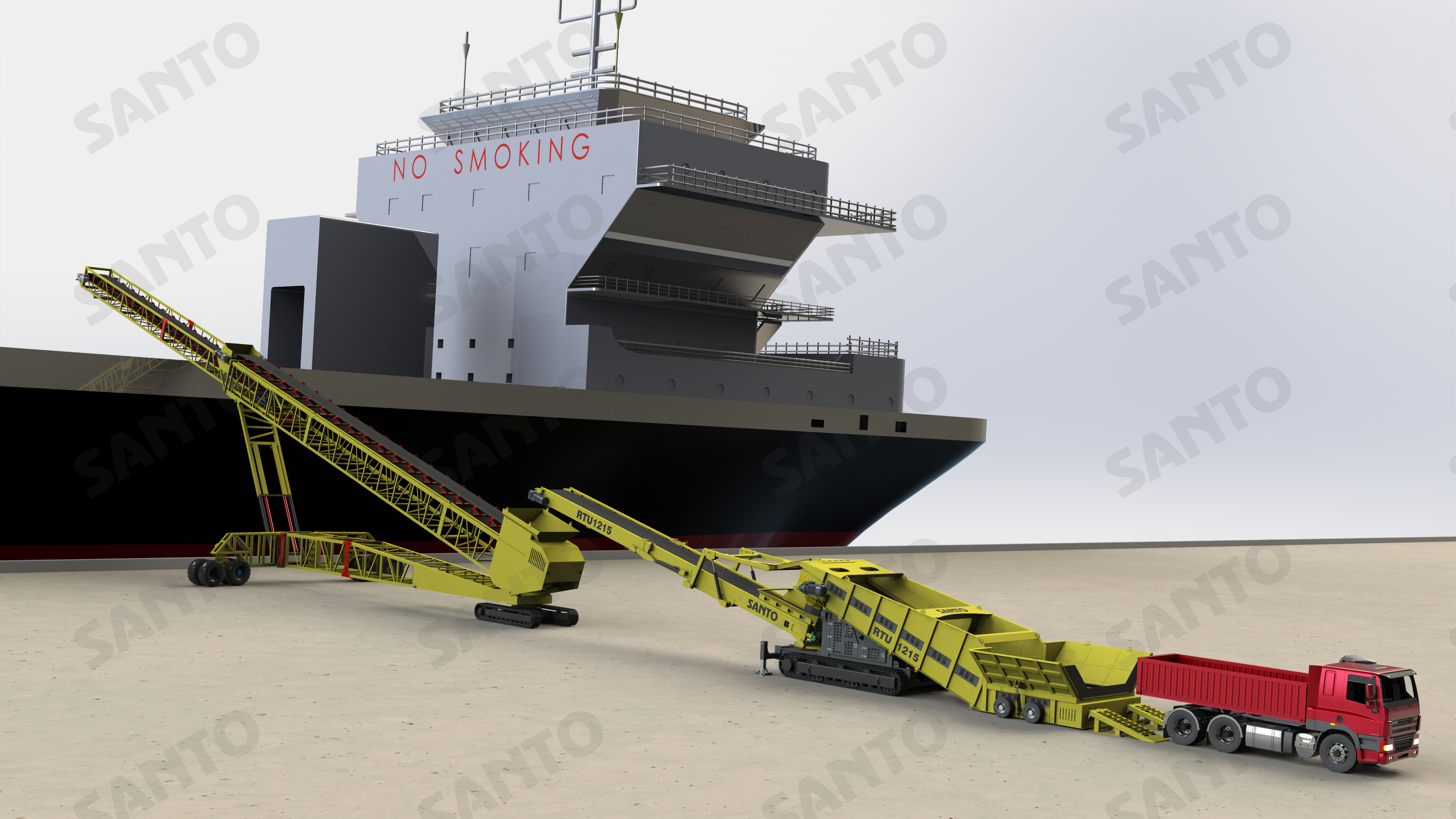
Why radial telescopic conveyors suit ship loading: wide coverage from one base, no-stop point…
Learn more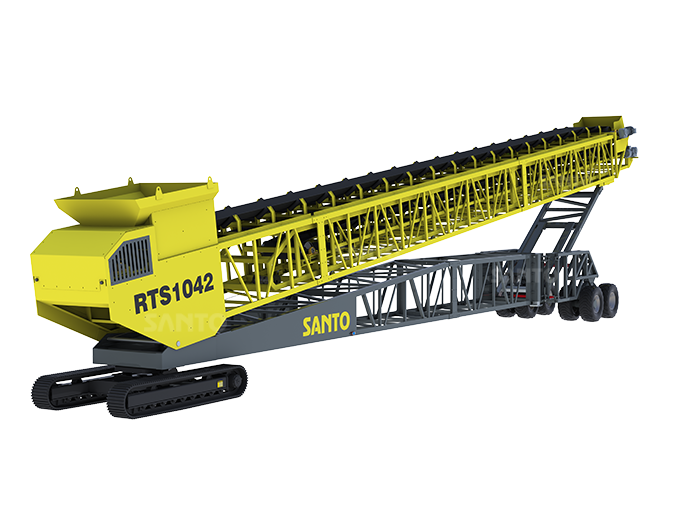
The main types of mobile conveyors: wheeled, tracked, telescopic, radial, stacker, swivel, and…
Learn moreSend us your material, required capacity and site layout. SANTO engineers will size the equipment and return a configuration proposal within 12 hours — no obligation.