How to Choose a Wheeled Mobile Conveyor
A checklist for buying a wheeled mobile conveyor: capacity, particle size, drive, weather…
Learn more
A step-by-step framework for matching conveyor type, size, and power to your material and site.
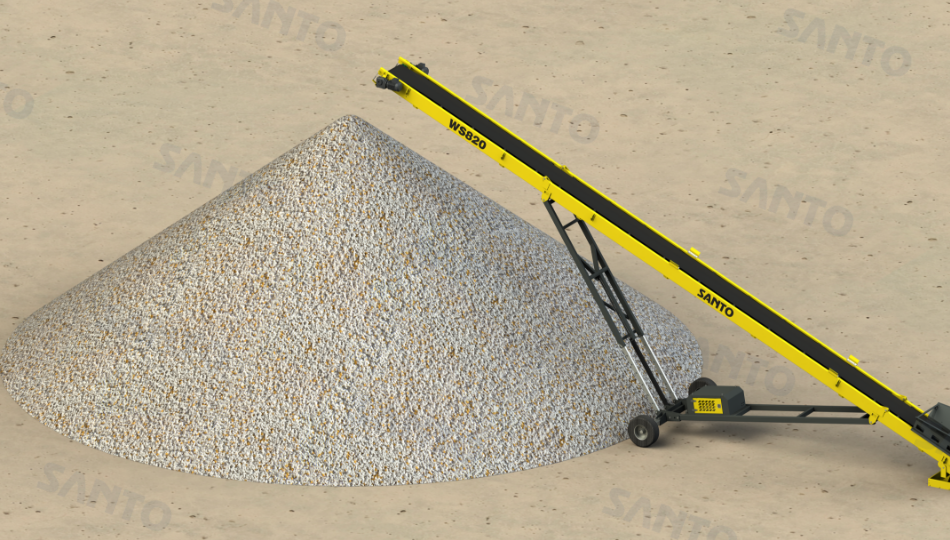
The best mobile conveyor is the one whose capacity, belt size, power source, and mobility match your material and site, not the cheapest model on the list. Start from the material and the throughput, then narrow down chassis, drive, and configuration to avoid both overload and overspend. The wheeled mobile conveyor choice is one branch of this same decision tree that most flat-yard buyers follow.
Define what you move: sand, gravel, coal, ore, construction waste, or grain. Bulk density, moisture, and particle size decide belt width, skirt geometry, and belt grade for the duty you actually run day to day on the site.
A heavy-duty mining duty needs a reinforced mobile belt conveyor; a light agricultural duty needs a simpler portable conveyor. Matching capacity to need keeps the machine efficient without overloading the belt or underusing the drive and structure you paid for in the quotation.
Write the duty down before you call a supplier. A one-page sheet of material, rate, distance, ground, and power turns a vague quote request into a real configuration, and the mobile conveyor price and cost you get back will finally be comparable between vendors.
Common belt widths run 500, 650, 800, 1000, and 1200 mm. Wider belts carry more volume at lower speed and wear, while longer conveyors extend coverage but add cost and power to the system as a whole for the buyer.
Length is a trade between reach and footprint. A 10 to 30 m unit covers most stockpiles; longer booms approach 41 m for large yards and ship loading, where the extra reach removes the need for a second transfer machine and its civil base.
| Belt width | Typical use |
|---|---|
| 500 - 650 mm | Light, clean, low-volume duty |
| 800 - 1000 mm | General aggregate and coal |
| 1200 - 1600 mm | Heavy mining and ship loading |
Power choice follows the grid. Electric conveyors suit stable supply and indoor or quay use; diesel suits remote pits and temporary yards; diesel-electric dual power covers both with a switch between modes on site as the job moves.
If site electricity is unstable, a diesel or dual-power mobile conveyor avoids downtime during a critical window. Hydraulic drive is an option where precise, shock-loaded starts matter more than pure energy efficiency on the line between crusher and pile.
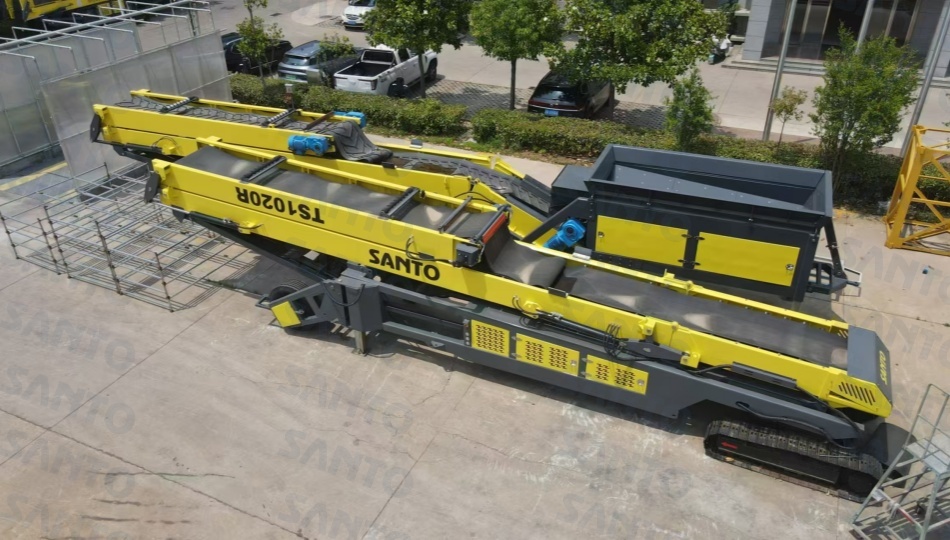
Wheel-mounted units relocate easily on flat ground; crawler types handle rough, muddy, or soft terrain. Frequent repositioning favors a portable conveyor system with fast setup and simple tie-down for the next move across the yard.
A reliable manufacturer uses quality steel, reinforced frames, durable belts, and anti-corrosion treatment. The higher initial cost pays back through longer life and lower maintenance, so judge value over sticker price when you compare quotes from suppliers in the market.
Build quality shows up first in the types of mobile conveyors you can safely specify: a stronger frame lets you choose a tracked radial unit for rough ground instead of being limited to a light wheeled model that would fail there.
Bring the duty sheet to the supplier: material, capacity, distance, ground, and power. Then the price reflects a real configuration instead of a bare catalog number that hides the options you need to actually run the machine.
A site visit or a short trial settles doubts about belt grade and chassis. Choose the unit that matches the work and the budget together, because the most suitable mobile conveyor is specified, not just selected from a list of models a vendor happens to stock.
Both follow capacity. Width sets volume per speed; length sets reach. Size width to material first, then length to the pile or hatch.
Electric where supply is stable and clean; diesel where it is not. Dual power covers mixed sites.
No. Match duty and weigh lifecycle cost, build quality, and support against the purchase price.
Wheeled and tracked units are typically operational in one to two hours versus days for fixed civil works.
A checklist for buying a wheeled mobile conveyor: capacity, particle size, drive, weather…
Learn more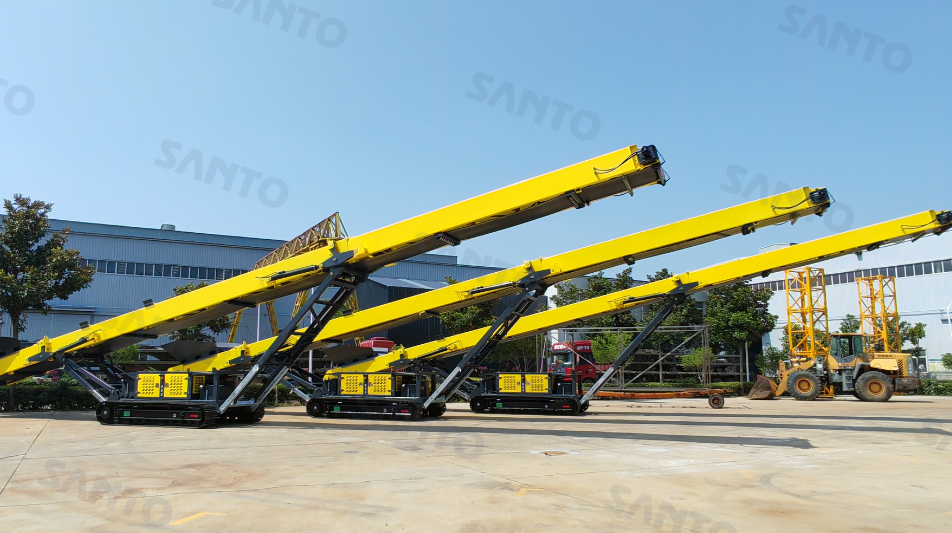
Understand mobile conveyor price drivers: specs, drive system, options, steel quality,…
Learn more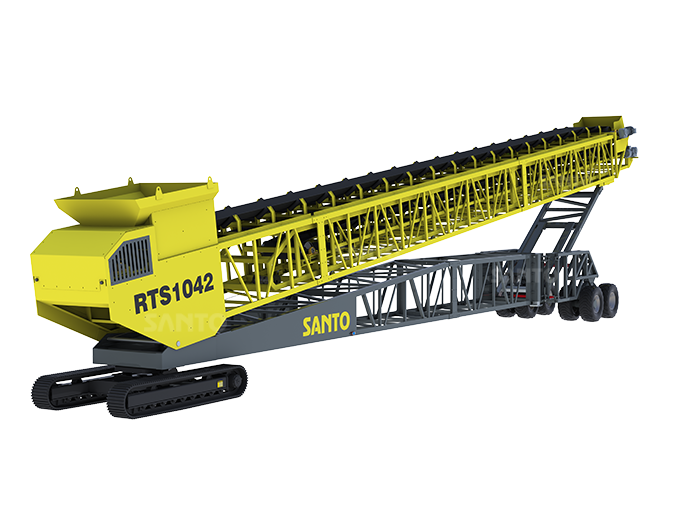
The main types of mobile conveyors: wheeled, tracked, telescopic, radial, stacker, swivel, and…
Learn more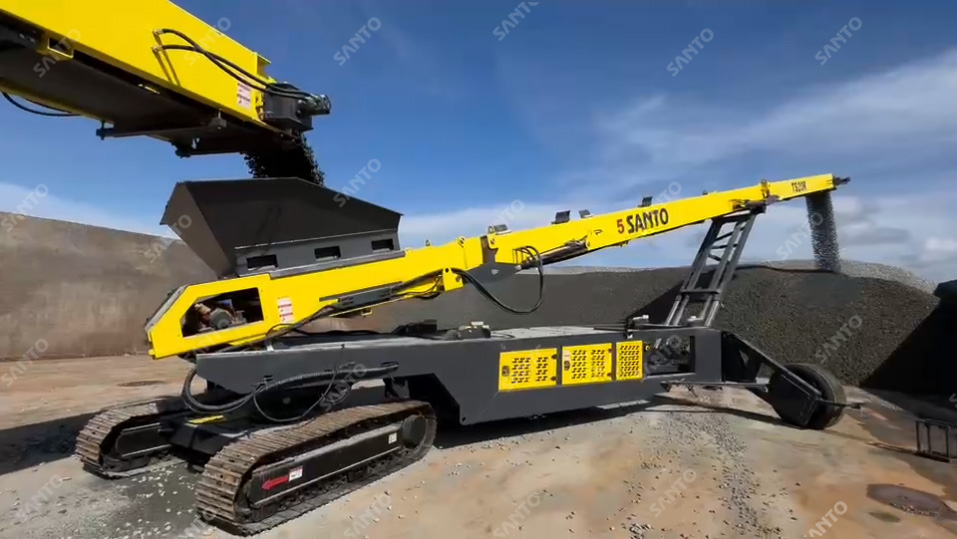
Mobile or fixed belt conveyor: compare install, flexibility, and fit. Mobile for frequent…
Learn moreSend us your material, required capacity and site layout. SANTO engineers will size the equipment and return a configuration proposal within 12 hours — no obligation.