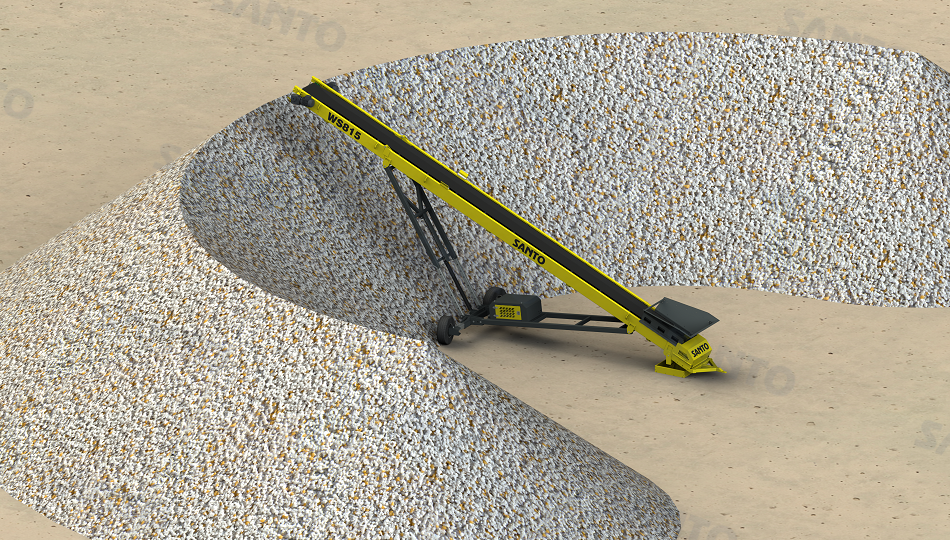
Wheeled Mobile Conveyor Price
Wheeled mobile conveyor price drivers: spec, material and build, drive and controls, and…
Learn more
The factors that decide the right wheeled mobile conveyor for your warehouse, line, or site.
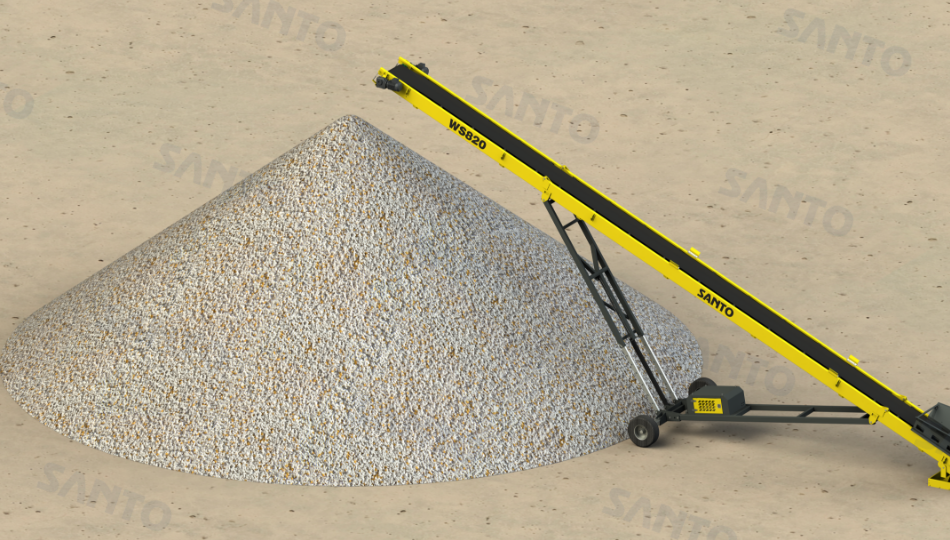
A wheeled mobile conveyor is a tire-mounted belt unit prized for quick relocation on flat ground across warehouses, lines, and sites. Choose it by matching capacity, material size, drive, and protection to the duty, then weigh supplier support over price. The how to choose the most suitable mobile conveyor guide covers the wider decision.
Set the conveyor capacity from the actual hourly material volume, in tons per hour or cubic meters per hour. Undersize and it bottlenecks; oversize and you pay for unused belt and drive capacity on the invoice.
Particle size decides belt grade and frame gap. Large or sharp material needs a stronger belt and frame; fine or fragile material needs a gentler, sealed path that limits dust and breakage through the run.
Electric drive is smooth, quiet, and precise for most indoor and yard use. Fuel drive gives the power for powerless or remote sites where no grid reaches the working area during the shift or the season.
Outdoor duty needs sun, rain, and wind protection: weather-resistant belt and electrical parts plus rain covers. Match the protection grade to the site climate so the unit survives the wet week, not just the dry one.
| Need | Choice |
|---|---|
| Stable supply | Electric drive |
| Remote site | Fuel or dual drive |
| Outdoor | Covers and weather parts |
Pick a reputable brand and supplier for reliable quality and after-sales. Reputation reflects engineering, build control, and support readiness when a belt tears at the worst possible moment on site.
Beyond price, visit a working site or run a test to judge performance and fit. A high-value unit costs less over its life than a cheap one that fails early and idles the line it was meant to feed every day.
The feed boot must suit your loader or hopper, and the discharge must reach the pile or vehicle without a ramp. Mismatched ends force manual help that erodes the labor saving the conveyor was bought to deliver.
Wheel and tire rating must suit the ground. A unit fine on a sealed yard may bog on broken stone, so match the axle to the worst surface it will cross, not the best one it will ever see on the job.
Bring a duty sheet to the supplier so the quote matches your tonnage, distance, and ground. Then the wheeled mobile conveyor price you see reflects a real configuration instead of a bare model number on a list.
The wheeled mobile conveyor product page shows typical ratings, so you can check the proposed unit against your real needs before the order is placed and the machine is built to your specification at the factory.
Electric for stable supply and quiet sites; fuel for remote, grid-free work.
It sets belt grade and frame gap for load and abrasion.
Weather-resistant belt and parts plus rain covers matched to climate.
Yes, a site visit or trial best confirms fit and performance.
Wheeled mobile conveyor price drivers: spec, material and build, drive and controls, and…
Learn more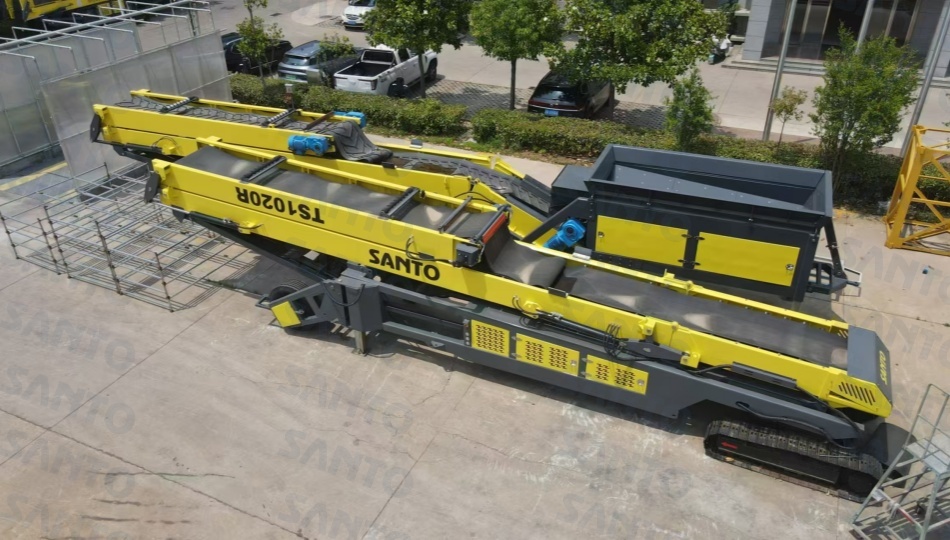
A practical buyer guide to choosing a mobile conveyor: match material, capacity, belt size,…
Learn more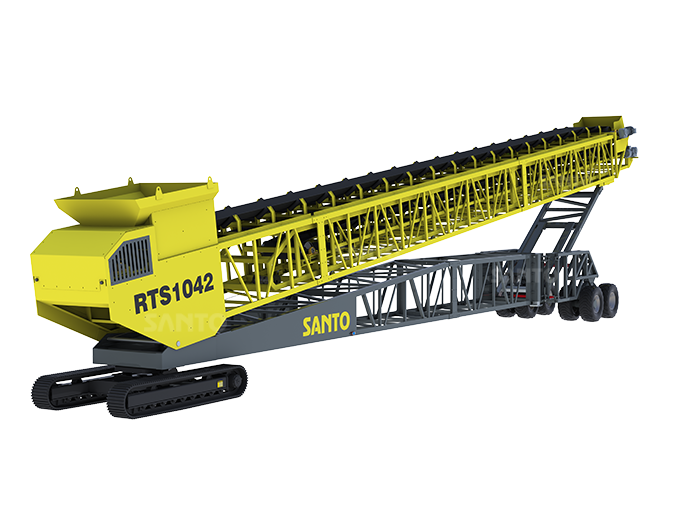
The main types of mobile conveyors: wheeled, tracked, telescopic, radial, stacker, swivel, and…
Learn more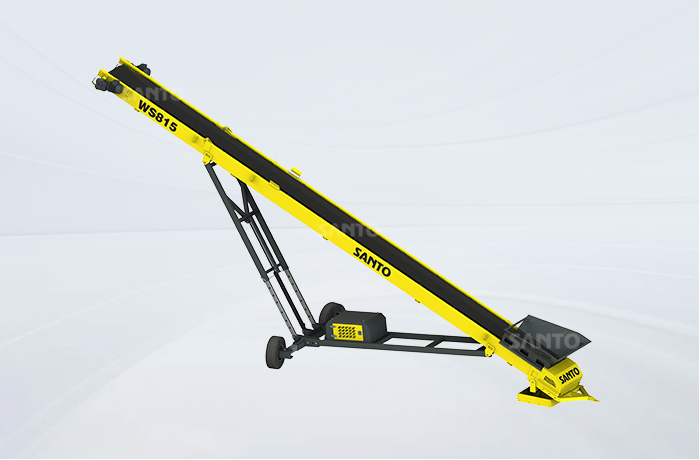
Wheeled radial mobile conveyor with 360° slew and 9-30 m reach for ports, quarries and mines.…
Learn moreSend us your material, required capacity and site layout. SANTO engineers will size the equipment and return a configuration proposal within 12 hours — no obligation.