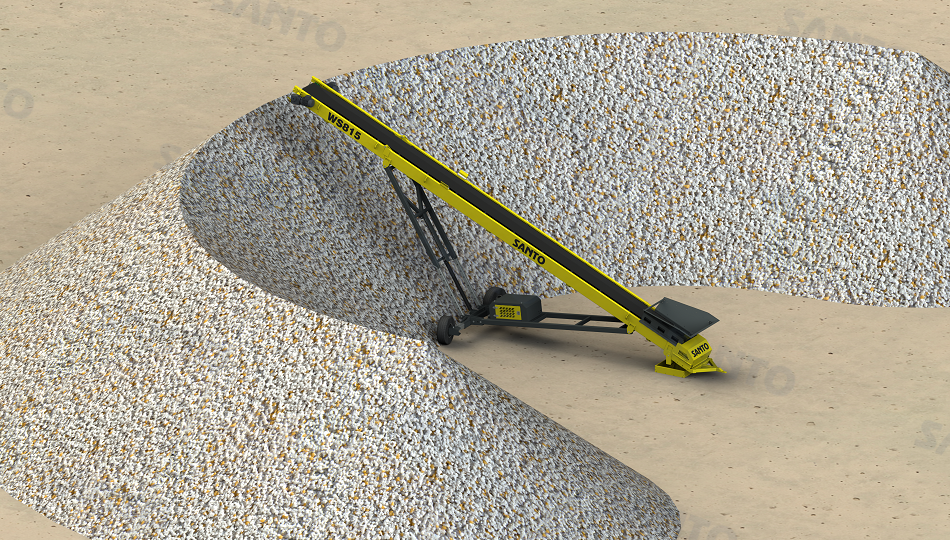
Wheeled Mobile Conveyor Price
Wheeled mobile conveyor price drivers: spec, material and build, drive and controls, and…
Learn more
What really moves the mobile conveyor price, and how to read a quotation from different suppliers.
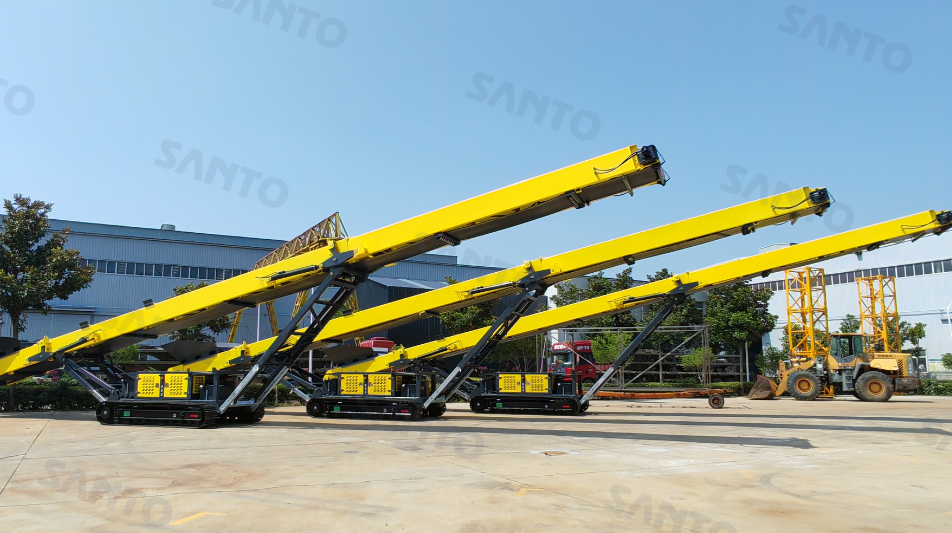
Mobile conveyor price is set by specifications, drive system, configuration level, steel quality, and logistics rather than by a single list price. Quotations vary widely between suppliers because each of those layers is optional and scalable, so compare like-for-like configurations before judging cost. The wheeled mobile conveyor price follows the same layers at a smaller scale and is a good reference point.
The largest cost driver is the model and its technical envelope. Belt width (500 to 1200 mm plus), length (10 to 41 m), lift type, and capacity (100 to 1500 t/h) scale both material and power in the build of the machine.
A small portable conveyor for light material costs far less than a heavy-duty mining belt of equal length. Wider belt, longer reach, and higher capacity each add structure, belting, and motor cost to the base quotation you receive from the factory.
Frame size tracks these specs too: a 1500 t/h unit needs a far heavier structure than a 100 t/h unit, and that steel is where much of the base price lives. When a quote looks cheap, check the frame rating against your real duty before you celebrate the number.
| Spec | Effect on cost |
|---|---|
| Belt width | Wider belt raises belt and frame cost |
| Length | Longer boom adds steel and power |
| Capacity | Higher t/h needs bigger drive |
| Lift | Hydraulic lift adds cylinders and valves |
Electric drive is usually the most economical; diesel, dual-power, and hydraulic systems add cost but unlock remote or off-grid sites where no reliable supply reaches the working face of the operation during the shift.
Options such as hydraulic lift, variable discharge height, wheel or crawler chassis, rain covers, dust control, anti-deviation, and VFD all raise the price. Higher automation and customization mean a higher quote but fit the duty better than a standard catalog unit off the shelf.
Because the machine is mostly steel, frame thickness, welding quality, and surface treatment (paint versus powder coat) shift cost and life. A reputable manufacturer invests in process control that raises the price but lowers failure rate over years of service.
For export, add sea freight, export packing, and voltage or frequency customization (380, 400, 415, or 440 V). These logistics items can be a meaningful share of the delivered cost and should appear as line items, not surprises, on the quote you sign.
The tracked radial stacker price and supplier view makes this clear: the same spec from a low-cost shop and a process-controlled shop can look similar on paper and differ sharply in the field after a wet season.
As a planning aid only, small wheeled portable conveyors for light duty often sit in the low five-figure USD range, while heavy tracked or radial telescopic units with high capacity and automation reach well into six figures. Exact figures depend on configuration and should be confirmed by quotation.
Compare total cost of ownership, not just the headline price: durability, stability, spare parts, and support decide the real cost per ton moved. A cheaper frame that fails in a season is rarely the better deal for a working site that depends on uptime.
Ask each supplier to quote the same duty: belt, length, capacity, drive, and options. Then the numbers are comparable and the gaps reveal build quality and included support rather than hidden spec differences between the offers.
The best price on mobile conveyors comes from this disciplined comparison. SANTO provides configured quotations so the buyer sees exactly which layer moves the number and can trade cost against capability with confidence instead of guessing from a bare total.
Because specs, drive, options, steel grade, and shipping differ. Always compare matched configurations.
Electric is generally cheapest; diesel and dual power add cost for site independence.
No. They are planning aids only and depend on the final configuration and freight.
No. Weigh lifecycle cost, build quality, and after-sales against the purchase price.
Wheeled mobile conveyor price drivers: spec, material and build, drive and controls, and…
Learn more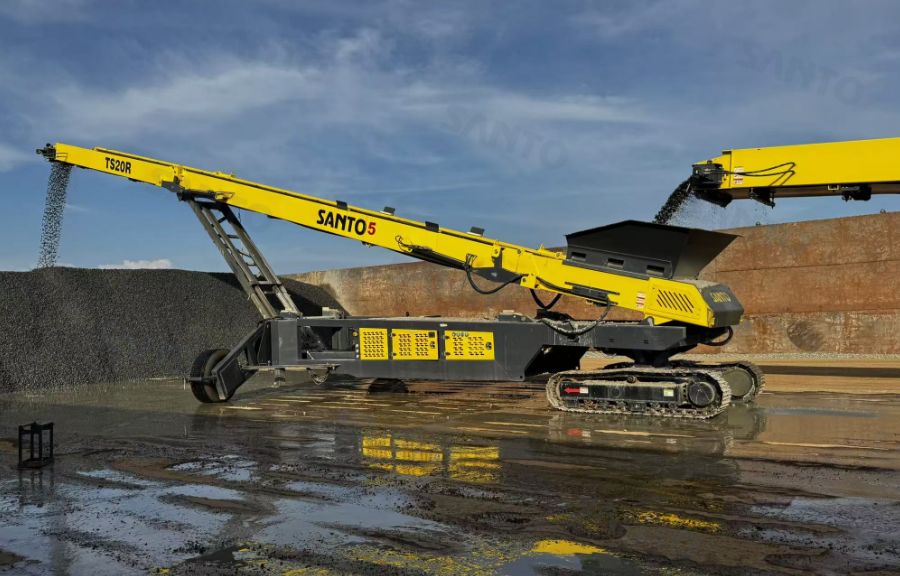
Tracked radial stacker price factors: capacity, components, belt, controls, and support. Why…
Learn more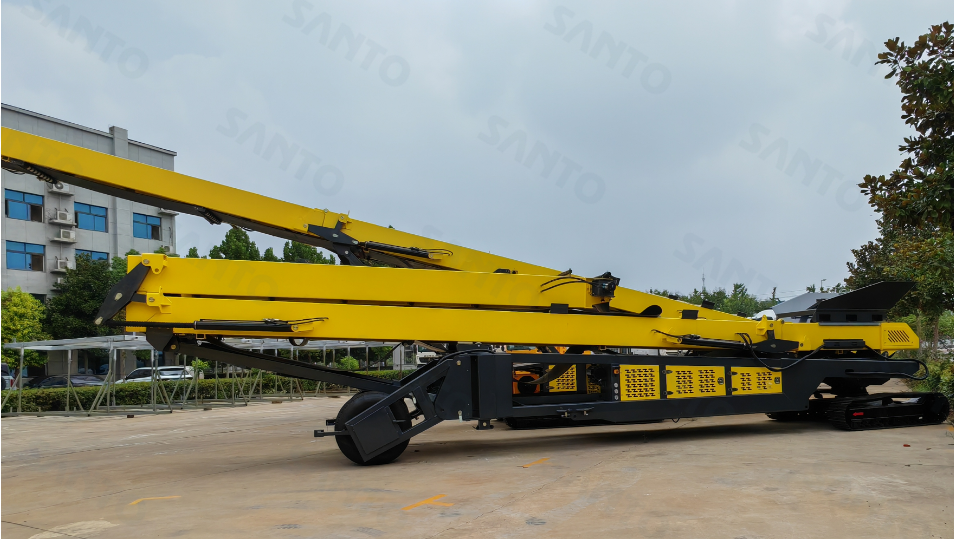
Tips to secure the best mobile conveyor price: match type and capacity, weigh lifecycle cost,…
Learn more
Portable conveyor advantages and types, price factors, and why SANTO is a supplier: flexible,…
Learn moreSend us your material, required capacity and site layout. SANTO engineers will size the equipment and return a configuration proposal within 12 hours — no obligation.