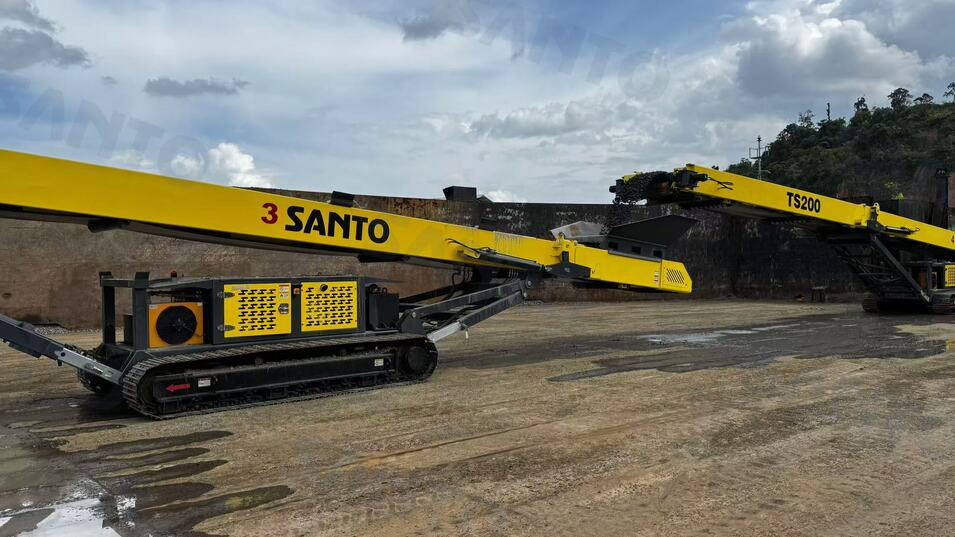
Ship Loader Advantages and Suppliers
Mobile conveyor ship loader advantages: high continuous capacity, mobility, adjustable angle,…
Learn more
The five reasons buyers switch from fixed ship loaders to mobile barge and ship loader conveyors.
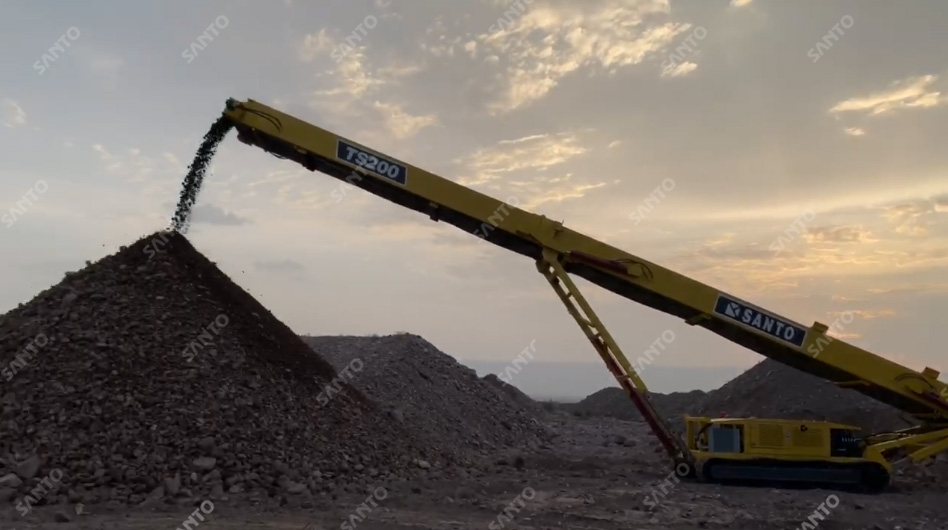
Mobile ship loaders handle bulk coal, fertilizer, aggregate, sand, wood chips, pellets, rock, grain, and ores with far less capital and lead time than fixed systems. They install in hours, move freely, and combine stockpiling, loading, and unloading in one machine. The ship loader advantages and suppliers page details the support side of this choice.
Against highly engineered stationary systems, mobile loaders cut capital investment sharply. Lead time is also shorter because there is less custom engineering to complete before the build can start at the factory.
For terminals watching budget and schedule, this means capacity sooner and with less upfront cash tied in civil and structural work that a fixed loader would demand before the first ton moves to the vessel.
Installation is measured in hours and days, not weeks or months. The loader enters and exits the site quickly, so it suits seasonal, temporary, or swing berth work where the plan changes with the trade.
High mobility lets one machine serve several berths and duties, raising utilization and protecting the unit cost per ton loaded across the year at a terminal with more than one ship at a time.
| Reason | Gain |
|---|---|
| Lower investment | Less capital tied up |
| Faster lead | Capacity sooner |
| Quick install | Hours not months |
| High mobility | Many berths, one unit |
| Strong function | Load, unload, stack |
Multifunction design means stockpiling, loading, and unloading share one chassis. The terminal avoids buying separate machines for each task and simplifies training and spares for the crew that runs them.
For bulk coal, fertilizer, aggregate, sand, wood chips, pellets, crushed rock, grain, iron ore, copper ore, and bauxite, a mobile barge loader conveyor system covers the range with one flexible asset instead of several fixed lines.
Choose a supplier who supports mobility with spares and service, because the value of the loader is that it moves and works across berths. A maker with local stock turns a breakdown into a routine swap during planned maintenance.
The mobile ship loading conveyor advantages and manufacturers view weighs this support, since the cheapest quoted machine is the most expensive when it stops a vessel on demurrage and the clock keeps running at the berth.
Match slew, reach, and capacity to your vessel mix, then confirm the receiving system can feed the belt at full rate. A mobile loader that fits the berth earns from day one and moves on when the trade shifts to another quay.
The crawler type mobile ship loader adds off-road reach for terminals with soft aprons, extending the same mobile logic to sites a wheeled unit could not safely serve, which protects the investment on weak ground.
Less engineering and civil work versus a stationary system.
Hours to days, not weeks or months.
Yes, it stocks, loads, and unloads from one chassis.
Coal, fertilizer, aggregate, sand, chips, pellets, rock, grain, and ores.
Mobile conveyor ship loader advantages: high continuous capacity, mobility, adjustable angle,…
Learn more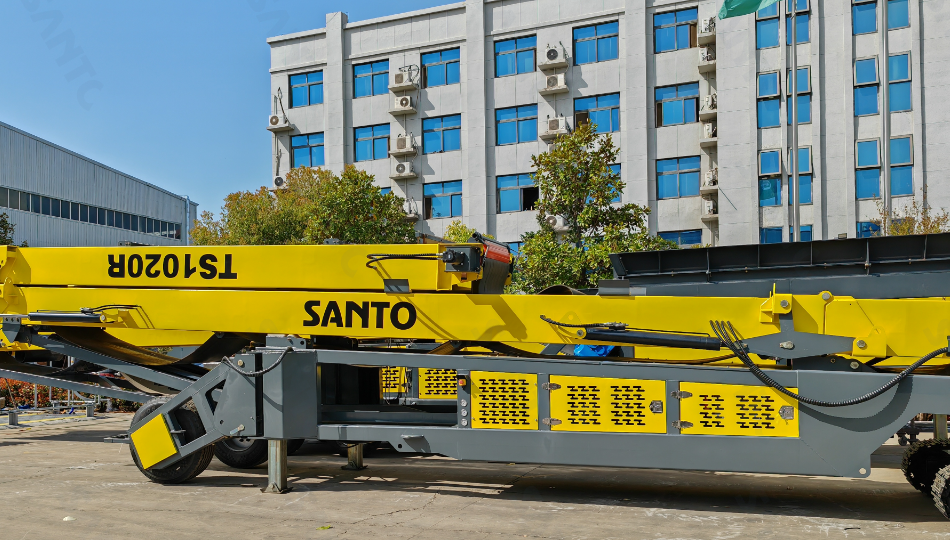
Why mobile ship loading conveyors beat fixed loaders: flexible positioning, continuous…
Learn more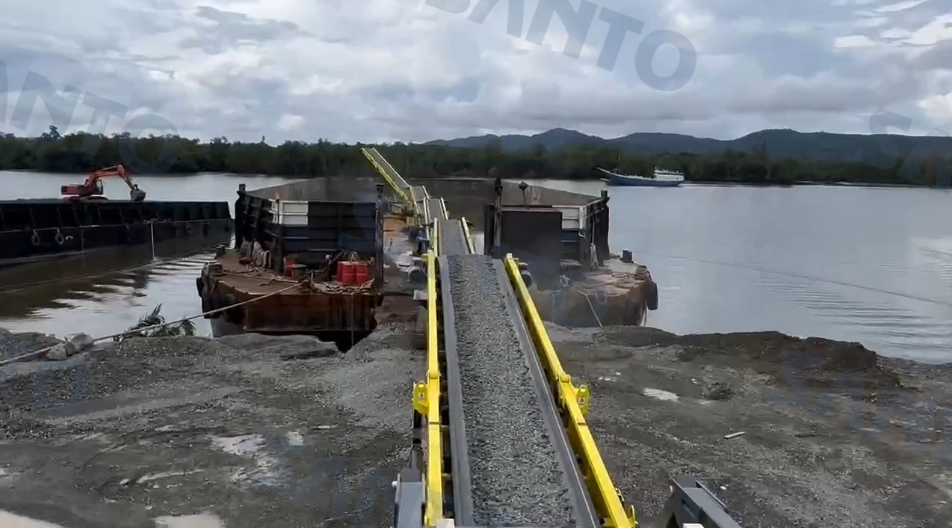
Mobile ship loader on wheels or tracks for coal, ore, grain and cement at ports. High…
Learn more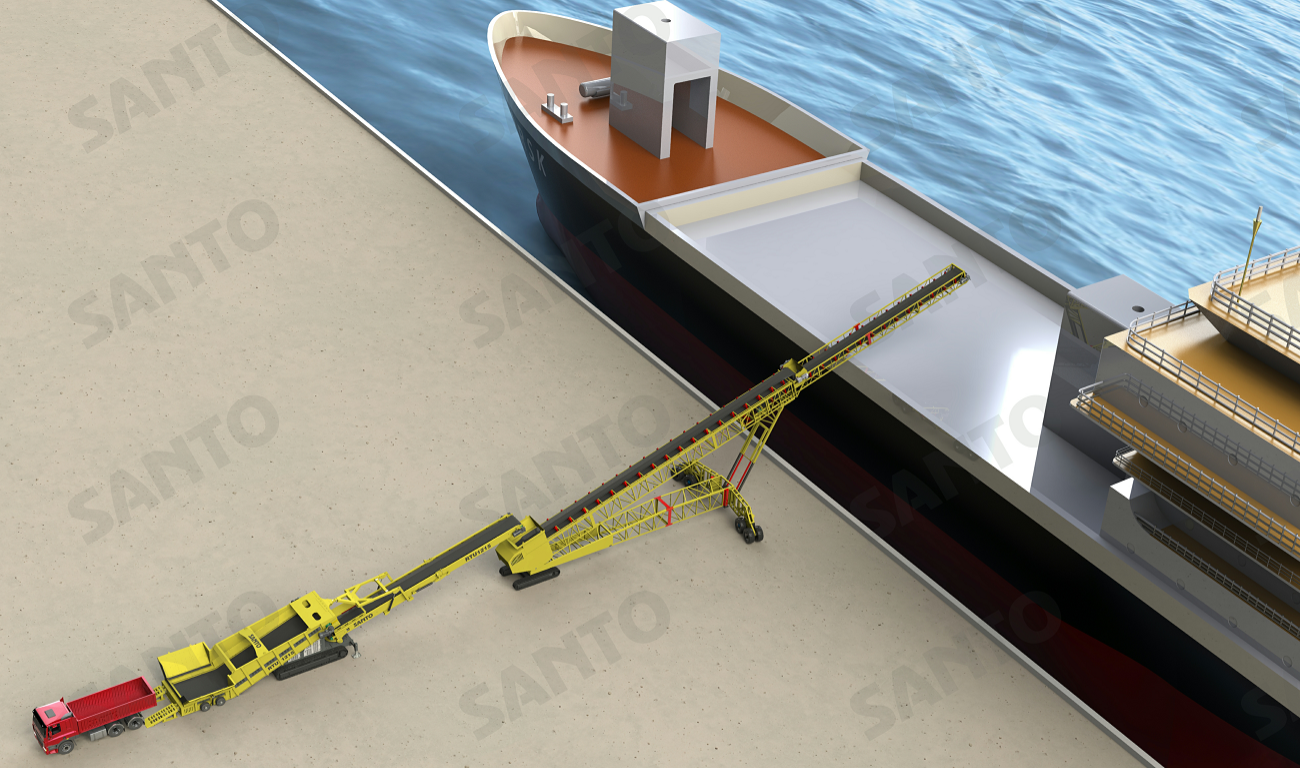
Crawler-type mobile ship loader with 360° boom, high capacity and dust control for coal, ore,…
Learn moreSend us your material, required capacity and site layout. SANTO engineers will size the equipment and return a configuration proposal within 12 hours — no obligation.