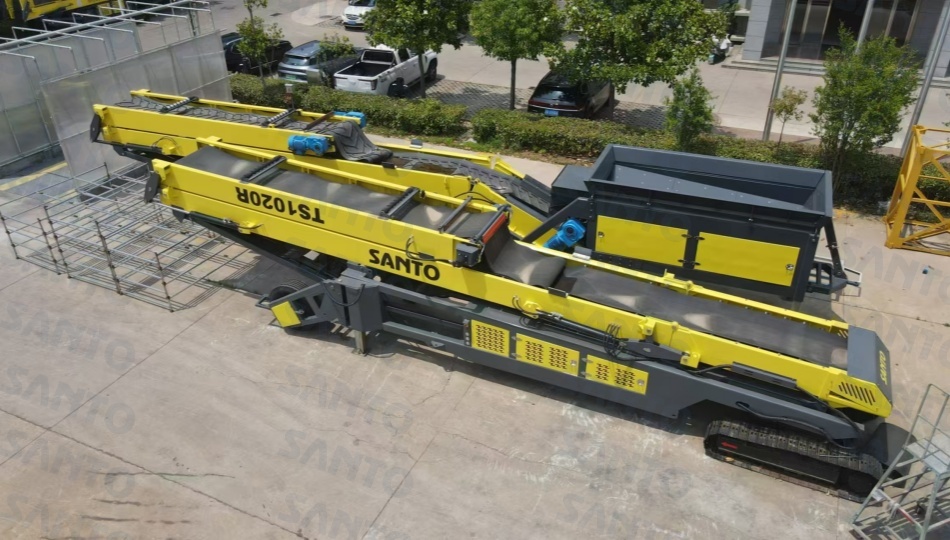
How to Choose the Most Suitable Mobile Conveyor for Your Project
A practical buyer guide to choosing a mobile conveyor: match material, capacity, belt size,…
Learn more
A structured way to pick a mobile stacker or conveyor that meets need and budget.
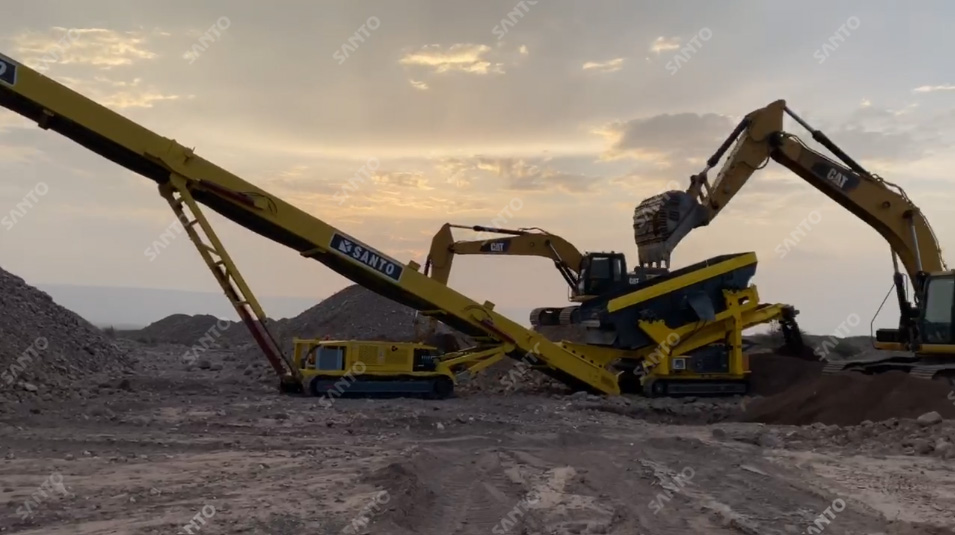
Choosing a suitable mobile conveyor follows a system: assess the material and throughput, compare available options, then balance purchase price against lifecycle cost and return. A methodical approach avoids both overload and overspend. The how to choose the most suitable mobile conveyor for your project guide is the wider version of this same plan.
Start with the materials: type, weight, dimensions, and the reach and stacking heights needed. Throughput and volume set the lifting capacity and operating speed of the unit on the site during the shift.
A clear duty sheet prevents guessing. Note abrasiveness, moisture, and feed method so the belt and frame are specified, not assumed from a similar job that may have run a different material through the belt last season.
Research the market and compare telescopic stacker and conveyor options by manufacturer reputation, reviews, and feedback. Look for features and specs that match the need rather than the longest list on the brochure.
Match chassis to ground and boom to reach. A tracked radial stacker suits rough yards; a wheeled telescopic unit suits flat, frequent-move sites where the machine relocates between piles several times a day.
| Need | Likely choice |
|---|---|
| Rough ground | Tracked radial stacker |
| Flat, frequent move | Wheeled telescopic |
| Direct feed | Feeder conveyor |
Set a budget but count long-term cost: maintenance, fuel, and downtime. Evaluate return on the features, durability, and life each option brings, because the cheap unit can be the dear one once it idles the line.
SANTO engineers tailor a solution to need and budget, so the final choice is specified against the site instead of taken from a catalog. The suitable conveyor is the one that fits duty and wallet together, not the one with the lowest tag.
Bring the person who runs the pile into the choice. They know where the machine will struggle, and their input prevents a spec that looks right on paper and fails at the first wet, uneven week on the ground at the site.
A short paid trial on your material and ground reveals belt grade, chassis, and control gaps that a showroom demo never shows, turning a guess into a measured buying decision before the production order is placed.
Ask for a configured quote tied to the duty sheet, not a model number. Then the comparison with another supplier is honest about build, options, and the support that keeps the machine available through the season.
The mobile conveyor price and cost guide helps you read the resulting quote, so the chosen unit is the one that fits duty and budget rather than the one with the lowest headline number printed on the page.
Assess material, reach, height, and throughput into a clear duty sheet.
By reputation, reviews, and fit of features to the need.
No, weigh lifecycle cost and return on durability.
Yes, engineers configure to need and budget.
A practical buyer guide to choosing a mobile conveyor: match material, capacity, belt size,…
Learn more
A checklist for buying a wheeled mobile conveyor: capacity, particle size, drive, weather…
Learn more
Understand mobile conveyor price drivers: specs, drive system, options, steel quality,…
Learn more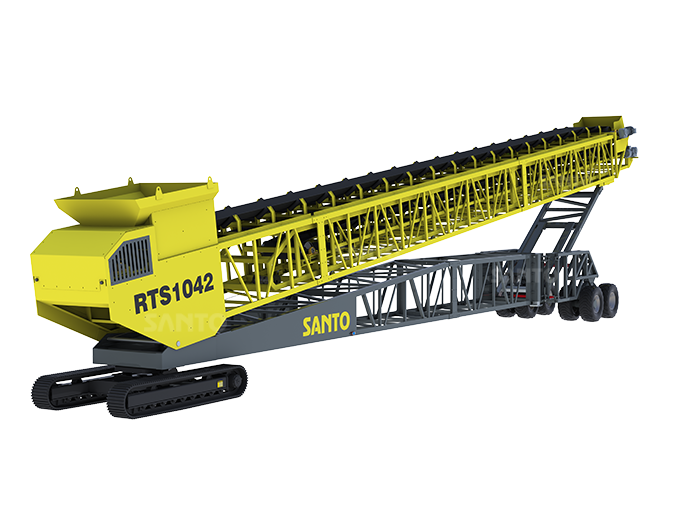
The main types of mobile conveyors: wheeled, tracked, telescopic, radial, stacker, swivel, and…
Learn moreSend us your material, required capacity and site layout. SANTO engineers will size the equipment and return a configuration proposal within 12 hours — no obligation.