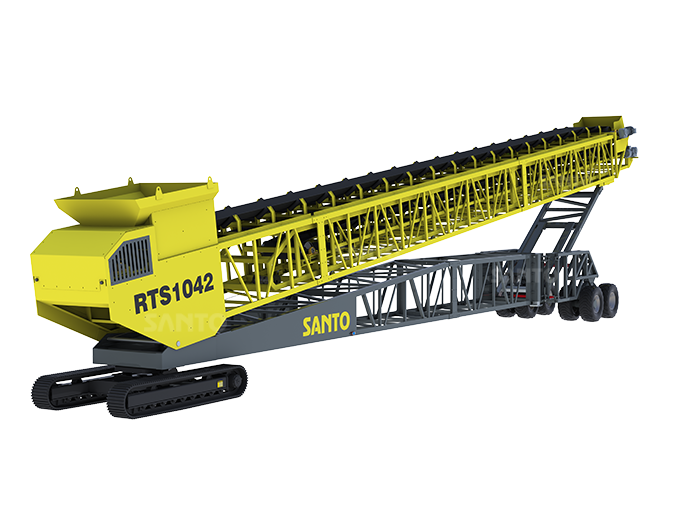
Types of Mobile Conveyors
The main types of mobile conveyors: wheeled, tracked, telescopic, radial, stacker, swivel, and…
Learn more
The industries and tasks where mobile belt conveyors earn their place in the flow.
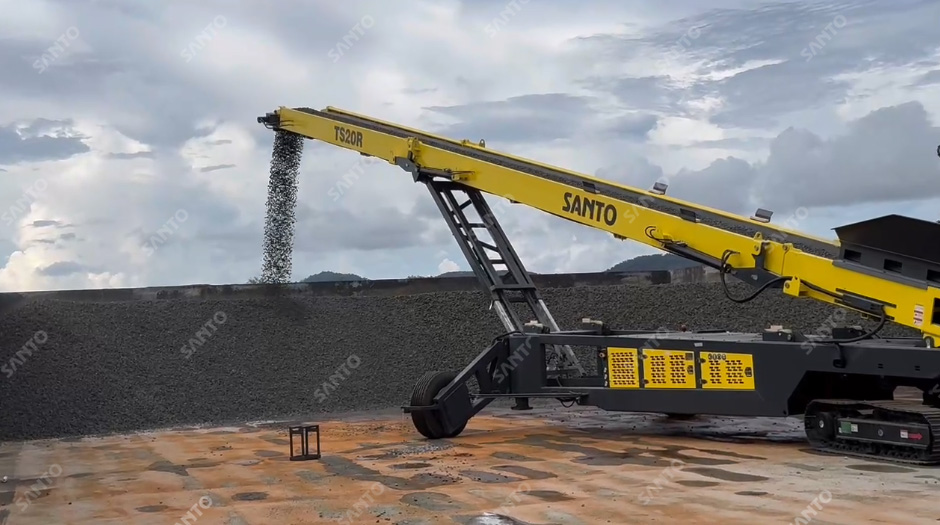
Mobile belt conveyors are growing against fixed conveyors because they move with the work. They serve ports, mining and quarrying, construction, warehousing, and agriculture wherever material must transfer between changing points. The why are mobile conveyors popular in the mining industry page shows the mine-side reasons in depth.
At ports they load and unload ships or barges, maneuvering to different berths for flexible transfer during operations. One unit covers several hatch positions without a fixed install that locks the line to one quay.
Paired with grabs or reclaimers, they move bulk between yard and vessel, shortening turnaround on both import and export business at the terminal through the busy season of trade on the water.
In mines and quarries they carry coal, ore, gravel, and aggregate, relocating to the face, truck, or rail car for efficient movement and storage. The conveyor follows the dig instead of the dig following a line.
On construction sites they move aggregate, sand, and cement to the mixer, storage, or trucks. Flexible placement keeps the right material at the right point without rehandling that wastes time and spills product.
Warehouses and logistics use them to load and unload trucks and shift goods between areas, speeding dock work. The same mobility helps seasonal agriculture moves from field store to the processing line without a fixed belt.
Across these sectors the common win is flexible transfer: the belt goes to the material, so the site avoids fixed lines that cannot move when the plan changes with the season or the shipment that just arrived at the gate.
| Industry | Use |
|---|---|
| Ports | Ship and barge transfer |
| Mining | Face to truck or rail |
| Construction | Site material moves |
| Warehouse | Truck load and shift |
Pick the chassis to the ground and the boom to the reach. A wheeled unit suits the sealed yard; a tracked unit suits the rough face; a telescopic unit suits the deep hold or the long pile that changes shape through the day.
The application of mobile conveyors in stockpiling shows how the same belt becomes the pile builder once material arrives, linking receive and store in one loop and removing the second handle that costs time and spills.
Start small with one wheeled conveyor and add a stacker or a crusher as volume grows, because the mobile format lets the line expand without a new civil foundation poured into the ground at the site.
The ports and terminals page collects the berth cases where this flexibility pays, because the ship that is at the quay today may not be the one the fixed line was aimed at when it was built years ago on the quay.
Ports, mining, quarrying, construction, warehousing, and agriculture.
They move with the work, avoiding fixed lines that cannot relocate.
Yes, to carry coal, ore, gravel, and aggregate to trucks or rail.
Yes, flexible placement cuts rehandling on construction.
The main types of mobile conveyors: wheeled, tracked, telescopic, radial, stacker, swivel, and…
Learn more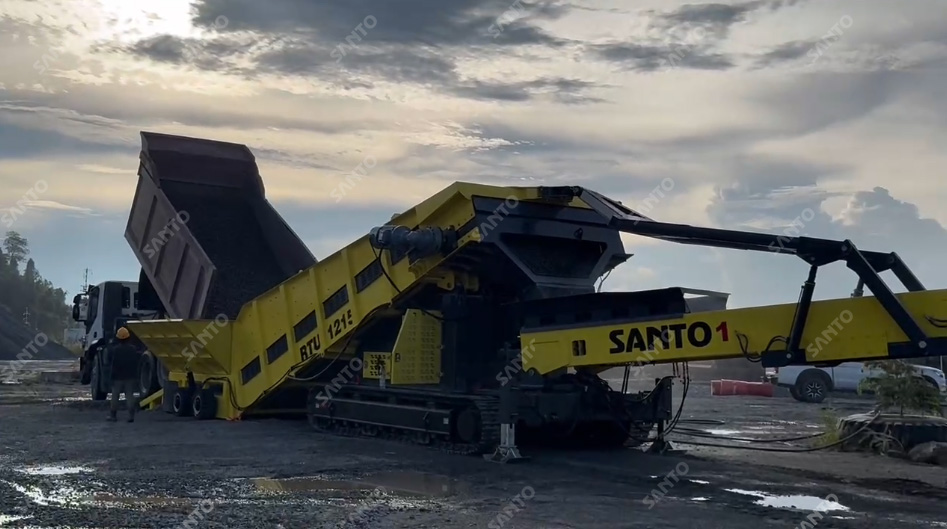
Why mines choose mobile conveyors: flexible displacement, seamless link to excavation, less…
Learn more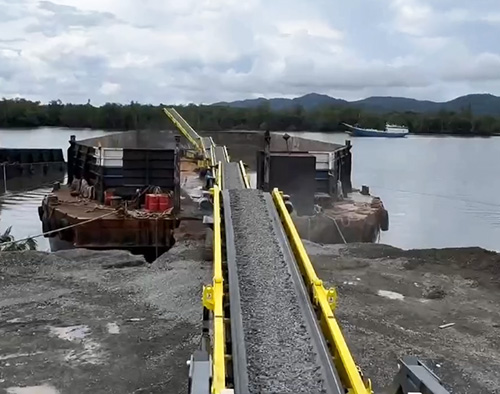
SANTO mobile ship loaders and radial stackers cut vessel load/discharge times in ports and…
Learn more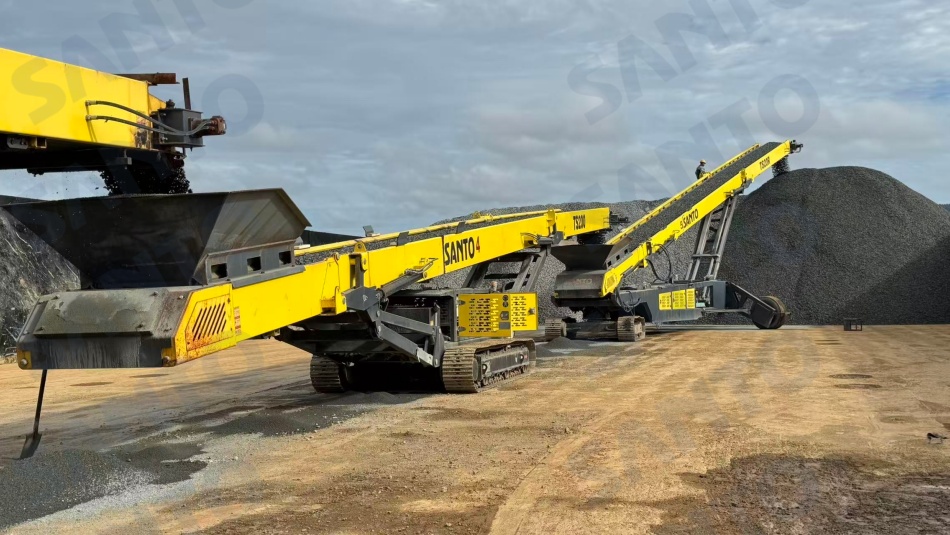
How mobile conveyors handle ore, coal, cement, port, and grain stockpiles: structure,…
Learn moreSend us your material, required capacity and site layout. SANTO engineers will size the equipment and return a configuration proposal within 12 hours — no obligation.